Did your Edgewater appraisal come in lower than your contract price? You are not alone. In Edgewater’s micro-markets, especially near the South River and the Chesapeake, contract prices can move faster than the closed sales an appraiser must use. In this guide, you will learn how appraisers determine value, why market value and contract price diverge, and what to do if a lender’s number threatens your closing. Let’s dive in.
Key terms you need to know
Market value. The most probable price a home should bring in an open, competitive market under fair conditions. It reflects current buyer and seller behavior.
Contract price. The number you and the other party agreed to. It equals market value only when the sale is arms-length and reflects market forces.
Appraised value. A licensed or certified appraiser’s opinion of value prepared for a lender under USPAP and agency rules such as Fannie Mae, FHA, or VA. The appraiser reconciles approaches like sales comparison, cost, and income where relevant.
Assessed value. The State Department of Assessments and Taxation (SDAT) estimate used to calculate property taxes in Anne Arundel County. It follows a different schedule and method, so it often lags the market.
Who orders the appraisal. Your lender orders and controls the appraisal process. In Maryland, appraisers must be licensed or certified and follow state and federal standards.
How appraisals work in Edgewater
Sales comparison first
For most single-family homes in Edgewater, the sales-comparison approach is primary. The appraiser selects recent closed sales, often from the past 3 to 6 months, in the same or a very similar neighborhood. They make adjustments for differences like square footage, bedroom and bath count, lot size, garage, updates, and overall condition. In low-inventory periods, they may widen time or geography, which can add variance to the result.
Waterfront and water access adjustments
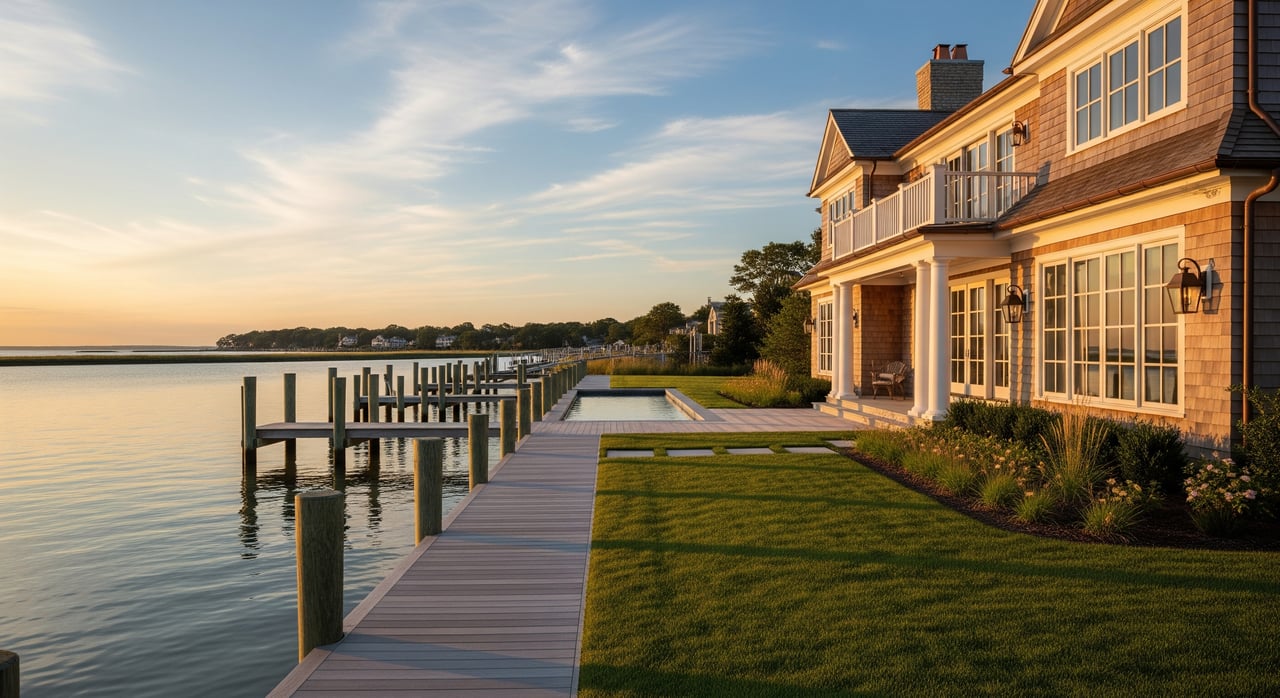
Water shapes value here. Appraisers distinguish between direct waterfront, water-view, and water-access homes. Documented, permitted improvements such as private piers, docks, bulkheads, and seawalls can support higher adjustments when similar sales show those premiums. The size, condition, and permitting status of these features matter.
Condition, permits, and safety
Appraisers account for deferred maintenance and items that affect safety or marketability. For financed loans, issues such as structural concerns or mold can trigger repair conditions or reduce value. Unpermitted additions or outbuildings are often adjusted downward or excluded from the valuation.
Flood zones and insurability
Flood risk influences both lending and buyer demand. FEMA flood zone status, the need for flood insurance, and any elevation certificate can affect marketability. A property in a higher-risk zone with higher premiums or a history of claims can face more lender scrutiny and may see lower appraised value compared with similar homes outside those zones.
Unique homes and limited comps
Edgewater has older cottages, newer custom builds, and distinctive waterfront parcels. When the most similar sales are scarce, appraisers often use more distant or older comps and time-adjust them. That can increase uncertainty, especially for one-of-a-kind lots or extensive renovations.
Septic, sewer, and Critical Area rules
Whether a home is on septic or connected to public sewer can influence value, particularly if septic limits future expansion. Anne Arundel County permitting and Maryland Critical Area rules also affect what you can build or rebuild along the shoreline. Documentation of compliance and permits helps support value.
Why market value can exceed appraisal
Multiple offers and escalations
In competitive moments, buyers sometimes bid above recent comparable sales to win. The appraiser must still anchor the report in closed comps and cannot rely on the contract price alone to set value.
Cash and investor influence
Cash offers can set prices above what financed comps support because speed, certainty, or improvement plans carry weight for those buyers. Appraisers do not treat that premium as the new baseline unless similar closed sales support it.
Fast-rising prices and lagging comps
If prices are moving quickly, closed sales may trail current list and contract activity. Appraisals can lag actual buyer behavior when new comps have not yet closed.
Distressed comps and renovations
If recent nearby sales include distressed or heavily altered homes, adjustments may not fully bridge the gap for a well-renovated property. That can pull the appraisal below a robust contract price.
Incentives and buyer priorities
A buyer may pay a premium for a particular pier, orientation, or view that is not fully reflected in the comp set. Seller concessions can also complicate net pricing and comparisons.
Financing type matters
Conventional loans follow Fannie Mae and Freddie Mac guidance on appraisals. FHA and VA appraisals include additional standards and may require certain repairs before closing. Some lenders offer products that help buyers cover appraisal gaps with additional down payment.
If the appraisal is low: buyer steps
- Review the report for accuracy.
- Check square footage, bedroom and bath counts, lot size, and condition notes.
- Confirm that permitted improvements, like a new roof, HVAC, or a permitted dock or bulkhead, are included.
- Evaluate the comparables.
- Are they from the same micro-market, such as direct waterfront versus water-view or inland neighborhoods?
- Are condition and updates truly comparable? Note any mismatches.
- Request a Reconsideration of Value through your lender.
- Provide recent closed sales the appraiser did not use, especially those with similar water attributes.
- Include pending sales or actives as context for momentum. Closed sales still carry more weight.
- Attach permits, receipts, surveys, photos, and an elevation certificate if flood risk is relevant.
- If value does not change, consider your options.
- Negotiate a price reduction or split the difference with the seller.
- Bring additional cash to cover the gap. Lenders generally do not finance above the appraised value without specific products.
- Ask about a second appraisal if there are clear errors. This is uncommon and requires lender approval and time.
- Use your appraisal contingency if you need to cancel and protect your deposit.
- Discuss lender programs.
- Ask your lender about any appraisal gap solutions that allow a higher loan amount when you increase your down payment.
If the appraisal is low: seller steps
- Prepare for appraisal risk early. Price with your micro-market in mind and share relevant comps that show water-related premiums.
- Create a documentation packet with permits for docks or bulkheads, recent surveys, elevation certificates, septic inspections, and receipts for major renovations.
- If the number comes in low, weigh the tradeoffs. A modest price adjustment or a buyer covering part of the gap may be better than losing a committed contract.
- If you believe the appraisal missed key value drivers, collaborate with the buyer and lender on a reconsideration with better comps and documentation.
- Consider re-listing only if your market segment supports it. Conditions can change quickly.
What to prepare in Edgewater
Bring local evidence that strengthens your case.
- MLS printouts for comparable waterfront, water-view, water-access, or inland sales.
- A current survey noting shoreline features, pier length, bulkhead placement, and any riparian rights where applicable.
- Dock and bulkhead permits, plus repair and maintenance records.
- Elevation certificate and FEMA flood zone details.
- Permits and receipts for major renovations or additions.
- Septic inspection results or documentation of public sewer connection.
- Photos that clearly show water views, access points, and neighborhood amenities.
Timelines and lender realities
- Move fast. Lenders have tight turn times for reconsiderations and reviews, so submit organized evidence quickly.
- Expect conditions on FHA or VA loans. Health and safety items often must be addressed before closing, and the appraiser can call for repairs.
- Keep it simple. Appraisers are professionals, and a concise, well-supported packet is more persuasive than a long narrative.
Pricing and planning in Edgewater micro-markets
Edgewater is a patchwork of micro-markets. Direct waterfront homes with private piers on the South River or the Chesapeake usually command premiums that vary by water depth, view, and permitted shoreline improvements. Water-view and water-access properties trade at different levels, and inland neighborhoods often have steadier comps and more inventory.
Proximity to Annapolis, Riva, and major commuting corridors can influence demand. Lot size, tree cover, elevation above mean sea level, and usable outdoor space also matter because they influence flood risk, privacy, and function. If you are pricing or preparing an offer, think like an appraiser and a buyer at the same time. Work from the most comparable closed sales, then layer in current competition and the unique features that matter to you.
When data is thin, especially for distinctive builds or shoreline parcels, be ready for variance between the appraisal and your contract price. Clear documentation, realistic expectations, and a plan for a possible gap will keep your deal on track.
Work with a local advisor
Edgewater’s value story changes block by block, shoreline by shoreline. You deserve guidance that blends rigorous appraisal logic with real-time buyer behavior. If you want help pricing a listing, crafting an offer, or preparing an airtight reconsideration packet, reach out to the local team that treats luxury as a level of service at every price point. Connect with Greg Beckman to discuss your goals. Let’s Connect — Book an Appointment.
FAQs
What is the difference between appraised value and market value in Edgewater?
- Appraised value is an appraiser’s opinion for a lender using recent sales and standards, while market value reflects what buyers are currently willing to pay in an open market.
Who hires the appraiser in Anne Arundel County transactions?
- The lender orders and manages the appraisal, and the appraiser must follow USPAP and agency rules such as Fannie Mae, FHA, or VA requirements.
Why would a waterfront home’s contract price exceed the appraisal?
- Competition, cash offers, and unique features like a private pier can push the price above closed comps that the appraiser must rely on.
Can pending sales help if my appraisal is low?
- Yes, pending sales can support a Request for Reconsideration of Value as context, but closed comps carry the most weight.
Does being in a FEMA high-risk flood zone lower the appraisal?
- Flood risk can affect value through higher insurance costs and buyer demand, but appraisers look at how local comps in the same zone are selling.
What can I do if the appraiser missed my permitted dock or renovations?
- Ask your lender to submit a reconsideration with permits, receipts, photos, and better comps that reflect those improvements.