Wondering how Charles County’s market is really moving and what it means for your budget, commute, and timing? You’re not alone. Buyers see mixed signals right now, and it’s hard to tell what matters most when you’re trying to make a smart, confident decision. In this guide, you’ll get a simple, buyer‑focused read on inventory patterns, price bands, neighborhood tradeoffs, and offer strategy so you can act with clarity. Let’s dive in.
Charles County market at a glance
Post‑pandemic shift
During 2020 to 2022, low rates and remote work drove strong demand and fast price growth across Charles County. As rates rose beginning in 2022, the market cooled and then stabilized. Inventory became more available than in the peak frenzy, and days on market generally lengthened compared with 2021.
Today, many areas feel closer to balanced. Some well‑priced homes still move quickly, while others take more time. County‑wide signals are helpful, but micro‑neighborhoods tell the real story. You’ll want to watch listing history and days on market at the subdivision level.
What could move the market next
Affordability hinges on mortgage rates and lending conditions. Keep an eye on new‑home deliveries in places like St. Charles and Waldorf, where builders can shift supply. Broader job patterns and federal or military employer policy changes also matter. Waterfront buyers should weigh flood and insurance risk as part of their budget.
For ongoing context, review local snapshots from Bright MLS market reports and statewide insights from Maryland REALTORS, with national trends from the National Association of REALTORS.
What you can buy by price band
Entry/value band
You’ll see older smaller single‑family homes, some townhouses and condos, and occasional fixer opportunities. These homes are often found in older sections of Waldorf, parts of La Plata, and pockets of Indian Head and Nanjemoy. Move‑in‑ready options can be limited. If rates dip, expect quick competition for clean, renovatable properties.
Primary family/suburban band
This is the broadest slice of the market. Think mid‑sized single‑family homes from the 1980s through the early 2000s, plus townhouses near shopping hubs. You’ll find a wide range in Waldorf, the St. Charles planned community, and La Plata. Most buyer searches concentrate here because selection is good and floor plans fit many needs.
Upper/quality band
Inventory is smaller but includes newer construction, larger lots, and select waterfront addresses. Prices vary based on lot size, site elevation, privacy, and water access. Condition and builder quality also play bigger roles here, so comps must be very specific to the micro‑neighborhood.
Luxury/top tier
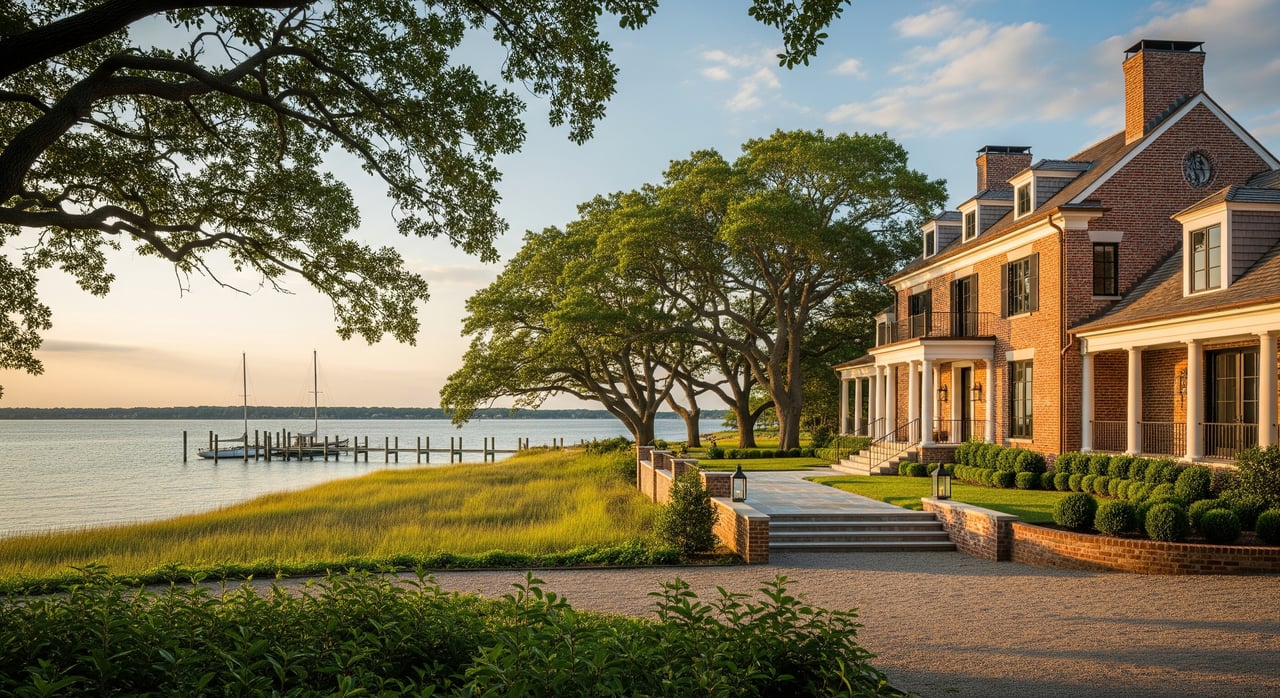
Expect limited, highly localized inventory. Waterfront estates and custom new builds can be seasonal and sensitive to shifts in high‑end demand. Listing cadence and buyer activity can move quickly, then pause, so it helps to monitor new‑to‑market homes closely.
Property types to compare
Single‑family detached
These are the most common and attract the broadest interest. You’ll see both resales and newer construction. In many neighborhoods, pricing is driven by lot characteristics, year built, and recent updates.
Townhouses
Townhouses are prevalent in closer‑in suburbs and planned communities, especially around Waldorf and St. Charles. They can offer strong value for buyers who want lower maintenance and a more predictable budget.
Condominiums
Condo options are more limited than in urban counties. You’ll usually find them near commercial centers or as part of mixed‑use communities. Monthly fees and amenity packages vary, so compare total monthly costs, not price alone.
New construction vs resale
Builder activity in St. Charles and some Waldorf subdivisions can influence buyer traffic. Builders typically price to the market and may offer incentives in slower seasons. Resale listings compete on condition and location. If you’re flexible on timing, you can compare builder incentives against renovation costs on resales to find the best fit.
Neighborhoods and commute tradeoffs
Waldorf and St. Charles
Waldorf is the county’s largest hub with a wide range of homes and easy access to shopping and medical services. St. Charles adds planned community options and amenities. Inventory breadth is strong, so it’s a practical starting point if you’re weighing price, convenience, and selection.
La Plata
La Plata blends a historic town center with newer subdivisions and a civic core. It appeals if you want a walkable center and reasonable access to commuter routes. Inventory can be more selective, so plan to watch new listings closely.
Indian Head, Nanjemoy, and southern river communities
These areas offer a more rural setting, proximity to waterfront recreation, and, in some pockets, larger lots. Commutes to DC and other metro job centers are longer. If you prioritize space and privacy, the tradeoff may be worth it.
Northern border communities
Neighborhoods closer to Prince George’s County and the Beltway often see higher demand from commuters who want to reduce drive times. Prices can reflect proximity to major routes. If commute reliability is key, start your search here.
Commute notes and options
Most residents drive. There are park‑and‑ride and commuter bus options into the Washington area, but rail access usually requires driving into neighboring counties. County‑level commuting data from the U.S. Census American Community Survey can help you benchmark average times, but expect variations by route and hour. Always test your commute during peak hours before making an offer.
Timing, offers, and negotiation
When to shop
Seasonality still matters. Spring and summer can favor sellers in popular subdivisions with well‑priced homes. Late fall and winter often bring more negotiating room, especially on listings that have been active longer than neighborhood norms. Builders may add incentives in slower months.
Smart offer tactics
- Get a fresh preapproval and rerun affordability as rates shift.
- Study listing history and days on market to gauge motivation.
- Use micro‑neighborhood comps from Bright MLS, not county medians.
- Tailor contingencies to risk. In higher‑supply pockets, you may have room to negotiate inspections, repairs, or closing help.
Condition vs location
In the entry band, many homes need updates. Price the renovation and timeline before you bid so you avoid surprises. In mid and upper bands, compare condition and outdoor space carefully. A well‑sited yard or a newer roof could be worth more than an extra interior upgrade.
Local due diligence checklist
- Verify the current property tax bill with the Charles County Government.
- Confirm school assignments using Charles County Public Schools boundary resources. Use neutral, factual data to compare.
- Review HOA covenants, fees, rental rules, and amenity schedules for planned communities like St. Charles.
- Pull recent, micro‑specific comps through your agent from Bright MLS and time‑stamp the data.
- If you will commute, test drive times during your actual peak hours. Research park‑and‑ride and bus options.
- For waterfront or riverside areas, consult the FEMA Flood Map Service Center and ask for elevation certificates and any prior flood claims.
Risk and insurance near water
Waterfront living is a lifestyle choice that can hold value when the home is well maintained and sited correctly. It also comes with added diligence. Some properties near the Potomac and Patuxent Rivers or tidal creeks fall within FEMA flood zones. Confirm the designation through the FEMA Flood Map Service Center, talk with your insurance provider early, and factor potential premiums into your monthly budget. Site elevation, drainage, and resiliency upgrades can affect long‑term costs.
How we help buyers
You deserve a clear, confident plan from search to closing. Our approach centers on coaching you through each decision with local context and current data. We help you:
- Narrow your search to price bands and micro‑neighborhoods that fit your goals.
- Compare new construction incentives against resale values and renovation costs.
- Use neighborhood‑level comps, days on market, and listing history to shape a custom offer strategy.
- Navigate due diligence for HOAs, flood exposure, and commute tradeoffs.
If you’re starting to explore Charles County, we would be honored to guide you. Connect with Greg Beckman to map your search, request a custom market brief, or schedule tours.
FAQs
How does Charles County pricing compare to nearby counties?
- Generally more affordable than many parts of Prince George’s and Anne Arundel that sit closer to the Beltway, though prices vary by proximity to commuter routes and waterfronts.
Where can I get the most home for my money in Charles County?
- Older subdivisions in Waldorf and deeper‑county areas like Nanjemoy and other southern communities often offer larger lots or lower price per square foot, balanced by longer commutes.
Are there many move‑in‑ready homes at affordable prices?
- Inventory exists but is more limited than mid‑range options; many value buyers compare a slightly higher list price against renovation costs on older homes.
How long will it take to find a good deal in Charles County?
- In more balanced conditions, watch for price reductions and listings that sit longer than neighborhood norms, and shop in late fall or winter when leverage can improve.
Is waterfront a good investment in Charles County?
- It can be when well maintained and appropriately priced for its lot and access, but you should factor flood risk, insurance costs, and site‑specific due diligence into any decision.