If you need more room but still have to stay tied into the Washington region, Huntingtown is worth a closer look. Many buyers are trying to balance space, commute access, and everyday livability without feeling pushed into a denser setting or a much longer move list. In Huntingtown, you can find a more space-first lifestyle with regional access that still works for many households, especially those with hybrid schedules. Let’s dive in.
Why Huntingtown Appeals to Commuters
Huntingtown sits in north central Calvert County, about 7 miles north of Prince Frederick, and its planning framework keeps it focused as a small commercial center rather than a fast-expanding town. According to the Huntingtown Town Center plan, the area includes restaurants, retail shops, offices, a post office, a fire station, and an adult education center, with no boundary expansion planned.
That matters if you want a place that feels established and low-density. Huntingtown is not trying to become an urban hub. Instead, it offers a quieter residential setting within a county that sits about 36 miles from Washington, D.C. and 29 miles from Annapolis.
Commute Reality in Huntingtown
The biggest thing to understand is simple: Huntingtown offers access, but that access is largely highway-dependent. Calvert County’s comprehensive plan notes that MD 4 and MD 2/4 carry the county’s heaviest traffic volumes and support inter-county travel, while the Huntingtown plan flags safety concerns at the Old Town Road and MD 2/4 intersections. You can review that context in the county’s Comprehensive Plan.
For day-to-day expectations, the latest ACS estimates show Huntingtown workers have a mean travel time to work of 46.5 minutes. That is longer than the countywide mean of 40.7 minutes, which reinforces the idea that this is not a quick-hop commute market. It is better understood as a place where you trade a longer drive or transit connection for more home and lot space.
Huntingtown’s work patterns also tell an important story. Among workers age 16 and over, 64.8% drove alone, 2.8% carpooled, 6.4% used public transportation, and 24.2% worked from home, based on the 2019-2023 ACS profile. That relatively strong work-from-home share suggests Huntingtown may be a particularly good fit if you commute a few days a week instead of five.
A Multihub Commuter Location
One advantage of Huntingtown is that it works for more than one job center. Calvert County’s comprehensive plan notes that residents commute not only to Washington, D.C., but also to Waldorf, St. Mary’s County, Prince George’s County, and Baltimore City. That broader regional pattern makes Huntingtown relevant if your household has more than one workplace or if your commute needs may change over time.
In practical terms, this is not just a D.C. commuter story. It is a Southern Maryland location with access to multiple employment corridors, which can be valuable if you are trying to balance two careers, hybrid work, or changing office schedules.
Transit and Park-and-Ride Options
If you do not want to drive the full distance every day, Huntingtown has nearby options to help break up the trip. Calvert County operates fixed routes, shuttle routes, paratransit, and weekday commuter buses that connect riders to Washington, D.C., Suitland Federal Center, and Metro-linked destinations in Montgomery County and Northern Virginia.
For local circulation, the county’s North Route, also called the Pink Route, serves Prince Frederick, Huntingtown, Chesapeake Beach, North Beach, and Sunderland. It runs Monday through Saturday and is free for everyone effective July 1, 2024. The route also uses a flag-stop system, which is useful to know if you are used to more traditional stop-by-stop transit service.
Best Park-and-Ride Anchors Near Huntingtown
For many Huntingtown commuters, the most practical park-and-ride options are Sunderland, Dunkirk, and Prince Frederick based on the published route patterns. That is not an official ranking, but it is a useful planning takeaway when you are mapping daily routines.
Key commuter routes include:
- Route 830 from Sunderland Park and Ride and Dunkirk Park and Ride into D.C.
- Route 840 serving St. Leonard Church, Prince Frederick Park and Ride, Sunderland Park and Ride, and Dunkirk Park and Ride on the way to D.C.
- Route 850 serving Prince Frederick Park and Ride, Dunkirk Park and Ride, Wayson’s Corner, Suitland Federal Center, Suitland Metro, and downtown Washington stops
- Route 820 serving North Beach, Owings, Pindell, Bristol, Wayson’s Corner, and the Equestrian Center on the way to D.C.
If you commute toward Joint Base Andrews, the reviewed county and MTA materials point more toward D.C., Suitland, and Metro-oriented service than a direct base shuttle. In many cases, that means a JBA commute from Huntingtown will function more like a driving trip or a drive-to-transit hybrid.
What You Gain in Space
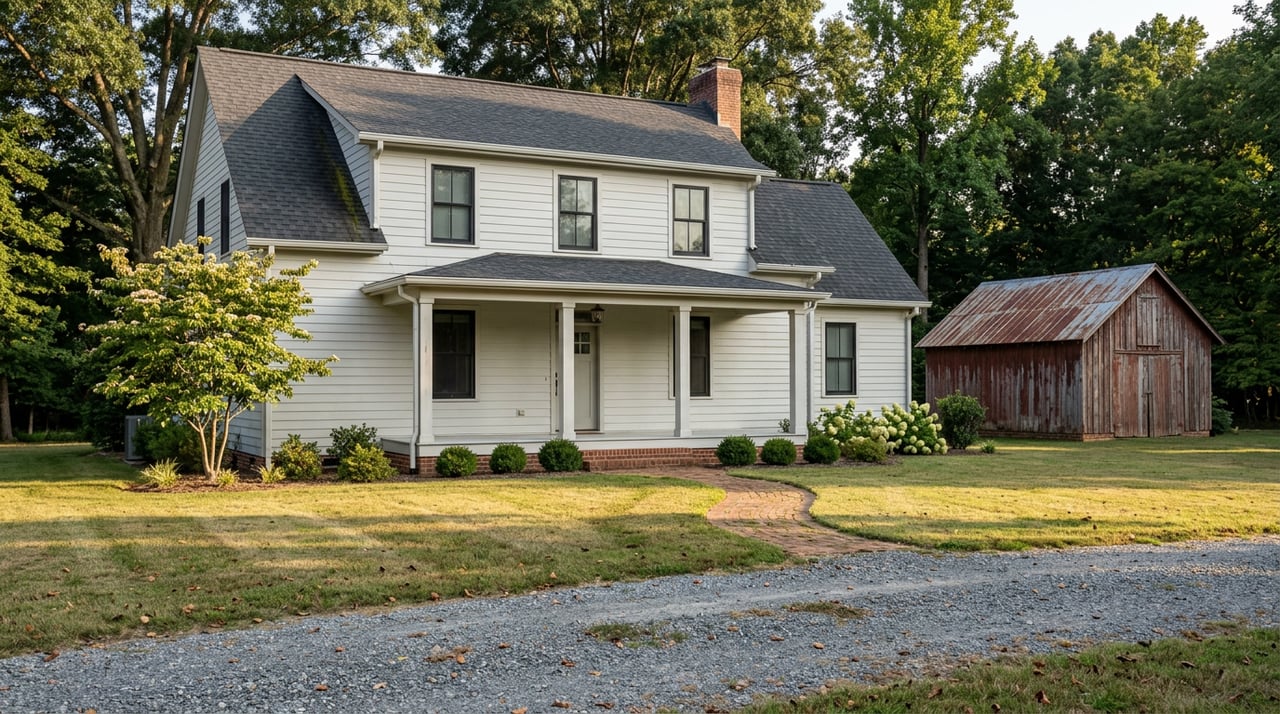
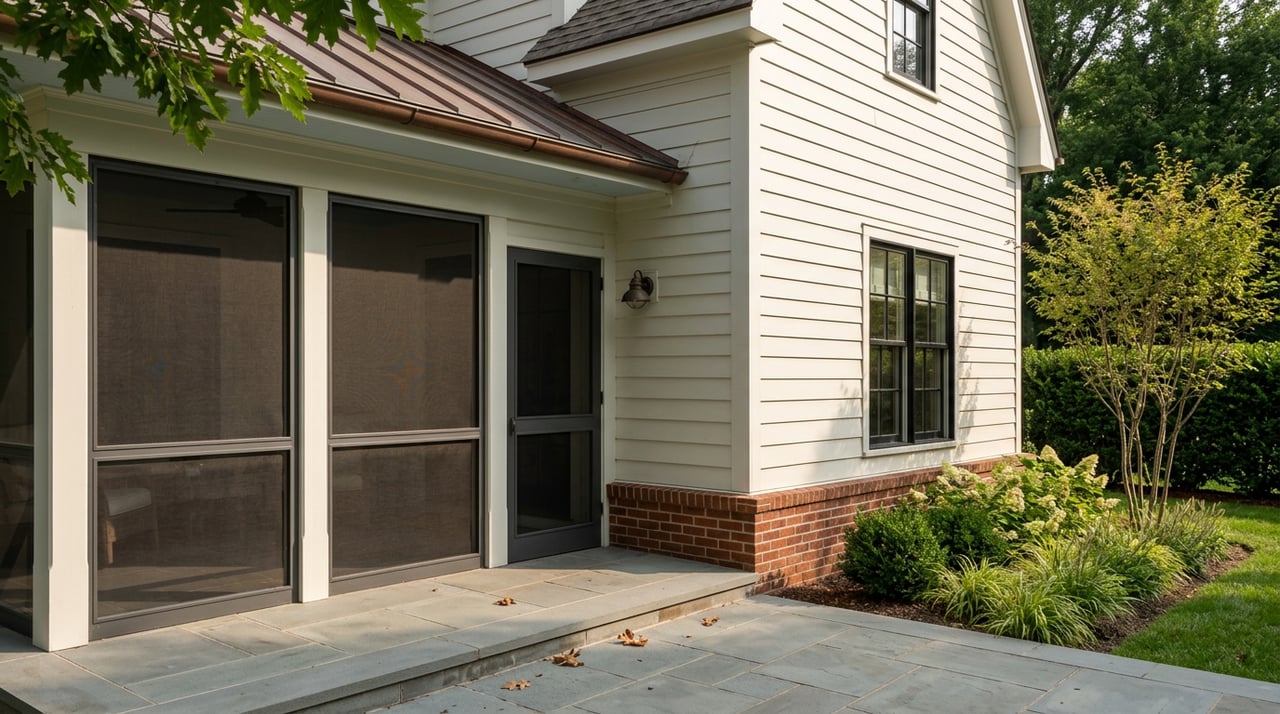
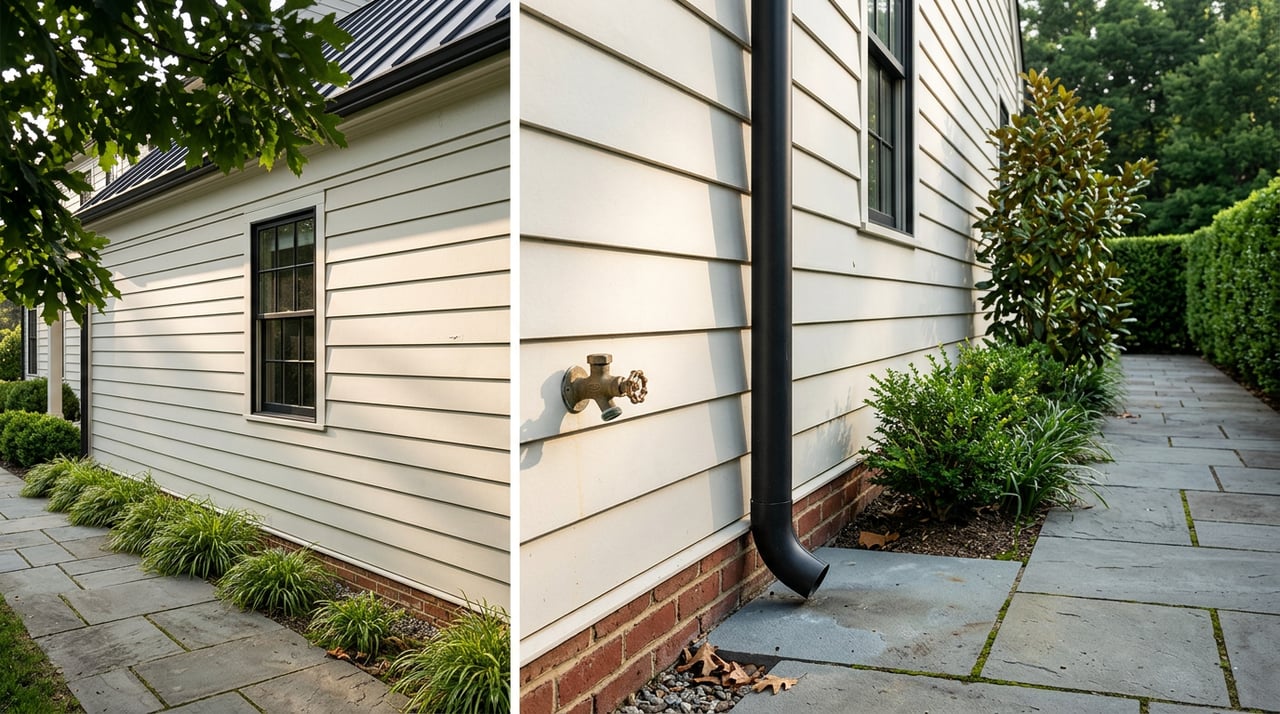
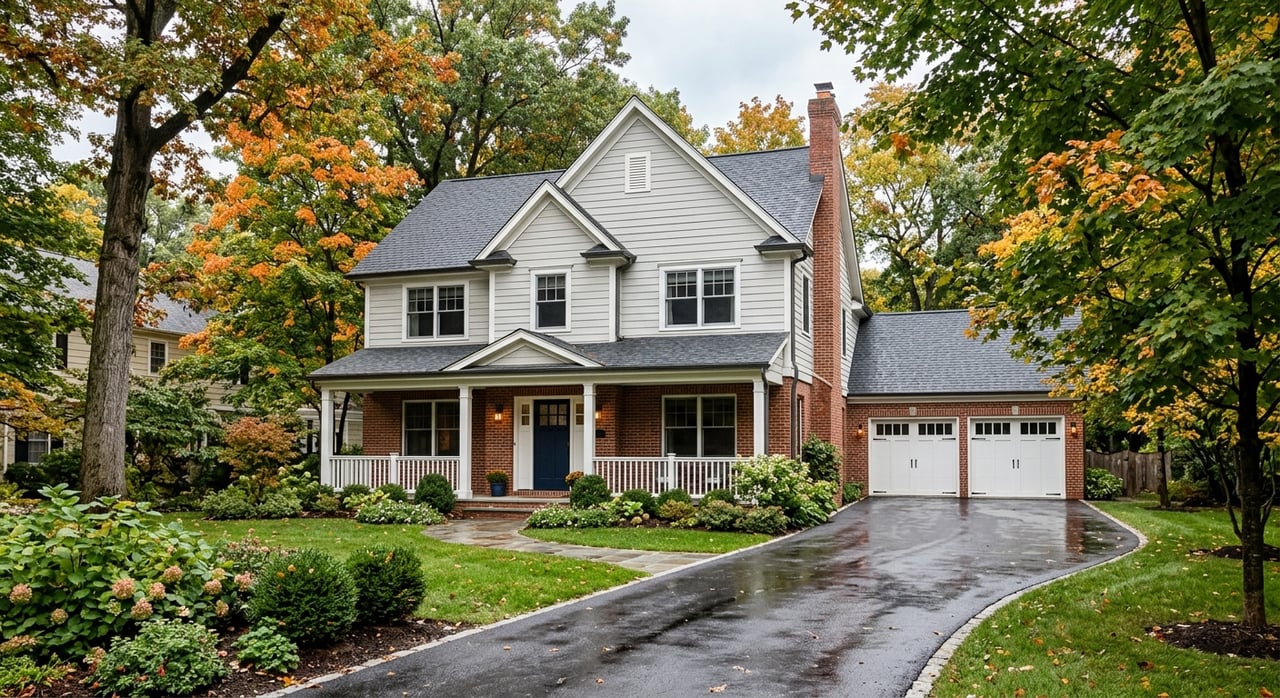
For many buyers, the real draw of Huntingtown is what you get at home. The housing profile is overwhelmingly detached and owner-occupied, which lines up with the area’s lower-density feel. In the ACS data, Huntingtown had 1,011 housing units, and 98.9% were 1-unit detached homes.
It is also a strongly owner-occupied market. The same ACS profile shows 90.4% of occupied units were owner-occupied, and 78.6% of occupied households had two or more vehicles available. That combination points to a community designed around private homes, larger lots, and car-based mobility.
Home Size Trends in Huntingtown
If you are moving from a tighter suburban footprint, the room you can gain here is a major part of the appeal. The ACS shows:
- 39.5% of housing units had 3 bedrooms
- 42.3% had 4 bedrooms
- 15.4% had 5 or more bedrooms
- 50.9% had 9 or more rooms
Those numbers support Huntingtown’s identity as a move-up market rather than an entry-level multifamily option. The ACS profile also reports a median home value of $593,500 and a median household income of $177,870.
The Lifestyle Tradeoff
Huntingtown is best viewed as a space-first commuter base. You are often choosing more interior room, more yard space, and a quieter day-to-day setting in exchange for longer travel times and a stronger reliance on major roads.
That tradeoff can be very worthwhile if your work schedule is flexible or if your household values home life as much as commute time. It can be a tougher fit if you need a short, predictable in-office drive every day and want multiple non-driving options right outside your door.
The area’s planning context reinforces that character. The town center plan emphasizes protecting Huntingtown’s small-town feel, and its Residential District description says lots are generally 1/3 to 1 acre. That gives you a good sense of why Huntingtown feels different from denser parts of the region.
Everyday Living Beyond the Commute
A commuter-friendly location works better when life at home feels rewarding. Huntingtown has local recreation that adds to that equation, especially if you want more outdoor time close to home.
Kings Landing Park offers hiking, fishing, horse trails, a kayak and canoe launch, picnic areas, meeting rooms, a pool, and no admission fee. In Huntingtown, Marley Run Recreation Area provides baseball fields and restrooms, and Kings Landing Pool serves as the county’s outdoor seasonal pool.
These kinds of amenities matter because they support the reason many buyers move farther out in the first place. If you are going to accept a longer commute, it helps when your weekends and evenings feel a little more open, local, and relaxed.
Who Huntingtown Fits Best
Huntingtown tends to make the most sense for buyers who want to stay connected to the broader Washington region without giving up the idea of a larger detached home. It can be especially attractive if you:
- work a hybrid schedule
- need space for a home office or multiple offices
- want a more residential setting with larger lots
- are comfortable relying on a car for most daily travel
- want access to park-and-ride options for some commute patterns
If that sounds like your household, Huntingtown may offer a more balanced answer than either a denser close-in suburb or a farther-flung location with less regional flexibility.
When you are weighing commute tradeoffs against home size, lot size, and day-to-day lifestyle, local guidance can make the decision much clearer. If you want help comparing Huntingtown with other Southern Maryland options, connect with Greg Beckman for practical, place-based insight tailored to the way you actually live and commute.
FAQs
Is Huntingtown, MD a good place for Washington-area commuters?
- Huntingtown can be a strong option if you want more space and can accept a longer, highway-dependent commute, especially if you work on a hybrid schedule.
What is the average commute time for workers in Huntingtown?
- The 2019-2023 ACS estimates a mean travel time to work of 46.5 minutes for Huntingtown workers.
Are there commuter bus options near Huntingtown, MD?
- Yes. Calvert County and MTA commuter services provide access through nearby park-and-ride points such as Sunderland, Dunkirk, and Prince Frederick, with routes toward Washington, D.C., Suitland, and Metro-connected destinations.
What kind of homes are common in Huntingtown, MD?
- Huntingtown’s housing stock is overwhelmingly detached, with 98.9% of housing units listed as 1-unit detached in the ACS data.
Does Huntingtown, MD offer a low-density residential feel?
- Yes. The area is characterized by detached homes, high owner-occupancy, car-oriented living, and planning that emphasizes preserving Huntingtown’s small-town character.
What amenities support daily life in Huntingtown, MD?
- Local amenities include Kings Landing Park, Marley Run Recreation Area, and Kings Landing Pool, which support outdoor recreation and day-to-day livability.