Choosing between staying in DC and moving to the Chesapeake Bay suburbs can feel like choosing between two great versions of your life. You might crave more space and water access, yet worry about commute time and daily convenience. In this guide, you’ll see clear, side‑by‑side differences in commute realities, housing and costs, outdoor lifestyle, and long‑term risks so you can decide with confidence. Let’s dive in.
Commute realities: what your days look like
Typical travel times
A quick benchmark helps. The District’s mean one‑way commute is about 30 minutes, and Anne Arundel County’s average is roughly 28.9 minutes, while more southern counties like Calvert and Charles report closer to 39 to 40 minutes on average. These are countywide means, not door‑to‑door predictions, so your exact route and schedule matter. Review the county and regional patterns in the Maryland ACS overview for broader context in the region’s commute trends.
- Reference points: District of Columbia QuickFacts, Anne Arundel County QuickFacts, and the Maryland ACS travel time summary.
Transit options that actually work
If you live near Odenton or the BWI corridor, the MARC Penn Line offers weekday trains to Union Station, with peak runs around 30 to 35 minutes from Odenton. Annapolis itself does not have a MARC station, so many Annapolis‑area commuters lean on state commuter buses or driving. You can review the MARC Penn Line schedule from Odenton and the MTA commuter bus routes serving Annapolis and Bay communities to gauge real options from specific neighborhoods.
Driving, chokepoints, and tolls
Common routes from Bay suburbs toward DC include I‑97, US‑50/301, and the Baltimore‑Washington Parkway. The Chesapeake Bay Bridge can be a seasonal pinch point for beach traffic and weekend patterns. If your route uses the bridge or toll facilities, review current Chesapeake Bay Bridge toll rates and build in a buffer for peak‑hour variability.
Practical takeaways
- Daily in‑office in DC: Proximity to MARC in western Anne Arundel or an under‑45‑minute drive window will feel very different from southern Calvert or Charles, which often push toward an hour in heavier traffic.
- Hybrid or remote: Longer suburban distances become more feasible if you only commute a few days each week. Confirm your employer’s expectations and test your commute at rush hour before you buy.
Housing and costs: what you get for your budget
Home types and neighborhood form
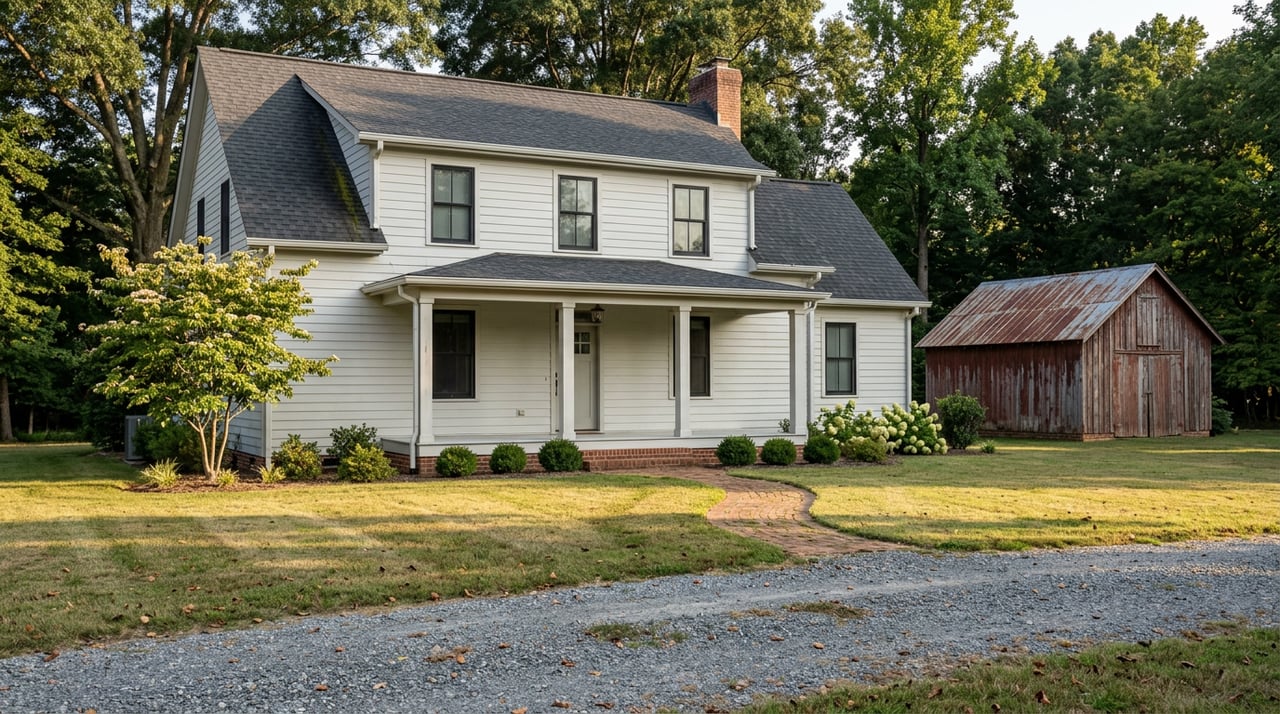
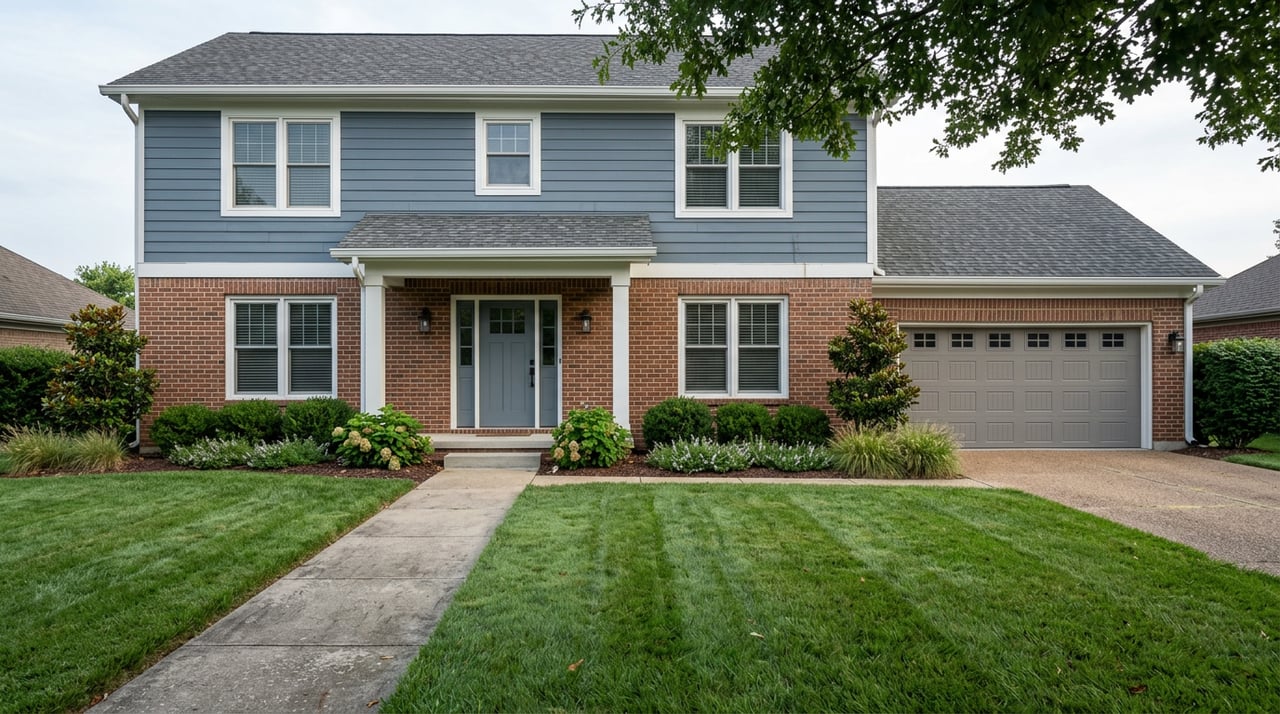
In DC, you’ll find more condos, rowhouses, and compact single‑family homes that support walkability and transit. The city has a lower owner‑occupancy rate, about 41.5 percent, reflecting a diverse housing mix. In Anne Arundel and Southern Maryland, you’ll see more single‑family homes on larger lots, plus communities with marinas and shared water access, and a higher owner‑occupancy rate around 75.1 percent in Anne Arundel. Check the District QuickFacts and Anne Arundel County QuickFacts for baseline context.
Price patterns to watch
Recent market snapshots show DC’s median sale price generally higher than many Southern Maryland counties. In Anne Arundel, countywide medians often land in the low‑to‑mid 400s to mid‑500s depending on product mix, while Charles and Calvert trend lower than DC’s citywide median. Waterfront and Bay‑adjacent homes can command premiums well above county medians. Because prices move quickly, use current neighborhood‑level comps when you zero in on a short list.
Taxes, insurance, and carrying costs
- Property taxes: DC’s residential rate is listed at $0.85 per $100 of assessed value. Anne Arundel’s FY2026 base shows $0.977 (county) plus $0.112 (state) in many unincorporated areas. Always confirm the exact district and any municipal add‑ons.
- Flood insurance: Many Bay‑area waterfront or low‑lying properties fall in FEMA flood zones and may require flood coverage. Premiums vary by zone, elevation, and mitigation features. The Anne Arundel County hazard mitigation plan outlines local flood‑prone areas and resilience planning.
Lifestyle: how your weeks feel
Outdoor access and recreation
If your weekends belong on the water, the Bay suburbs are hard to beat. You’ll find convenient access to marinas, public boat ramps, fishing, and crabbing. For a taste, explore Sandy Point State Park near Annapolis, with beaches, ramps, and picnic areas. In DC, you trade direct Bay access for an urban network of riverfront parks, museums, dining, and nightlife that you can often reach by foot, bike, or Metro.
Community character and services
Suburban Bay communities tend to be lower density with more single‑family homes and strong local civic life. DC’s neighborhoods are denser with stronger transit access and wide cultural options nearby. Health care, school boundaries, and municipal services vary by address, so verify the specifics for each property you consider.
Long‑term risk and resilience
Waterfront living adds a layer of long‑term consideration. The Chesapeake region is sensitive to sea level rise and nuisance tidal flooding. If you are comparing a waterfront home to an in‑city townhouse, factor in elevation, historical flood claims, and any local mitigation plans that could affect future costs. County hazard plans highlight present floodplains and preparedness priorities; start with the Anne Arundel County hazard mitigation plan and request property‑specific documentation during due diligence.
A quick decision framework
Use these prompts to stress‑test your choice:
- If you commute to downtown DC most weekdays, prioritize DC or Bay‑area neighborhoods with a reliable under‑45‑minute route or direct MARC access.
- If your schedule is hybrid and you value weekend water time, Anne Arundel or Northern Calvert can offer space and lifestyle, with manageable in‑office days.
- If budget and square footage lead, Southern Maryland counties like Charles and Calvert often deliver more home for the price, with a longer average drive.
- If you are eyeing waterfront, price in flood insurance, maintenance, and seasonal traffic patterns.
Buyer checklist: test before you decide
- Commute test: Time a full door‑to‑door round trip at your actual rush hours. Use the MARC Penn Line schedule and MTA commuter bus routes to model transit.
- Verify comps: Pull recent solds for your exact neighborhoods and product types. Recheck before making offers.
- Taxes and carrying costs: Calculate annual property tax using the correct district, and secure homeowner and flood insurance quotes early. Reference DC tax rates and Anne Arundel tax rates.
- Flood diligence: Confirm whether a parcel sits in a mapped flood zone and ask for elevation certificates and mitigation details. Start with county hazard resources.
- Services and boundaries: Verify school boundaries, utilities, and local services for each address.
- Lifestyle trial: Spend a weekday and a weekend in each area. Try a commute, visit a marina, and walk to dinner to see what feels right.
When you are ready to compare specific neighborhoods or weigh waterfront tradeoffs, connect with a local advisor who lives and works these micro‑markets every day. If you want a calm, data‑driven plan that fits your lifestyle and budget, reach out to Greg Beckman to map your next move.
FAQs
How long are typical commutes from Bay suburbs to DC?
- County averages show about 28.9 minutes in Anne Arundel and closer to 39 to 40 minutes in Calvert and Charles, while DC averages about 30 minutes; your exact time depends on route, mode, and rush hour.
Does Annapolis have direct rail service to Washington, DC?
- No. Annapolis does not have a MARC station; many commuters use MTA commuter buses or drive. Areas near Odenton can use the MARC Penn Line to Union Station.
What property taxes should I compare between DC and Anne Arundel?
- DC’s residential rate is listed at $0.85 per $100 of assessed value, while Anne Arundel’s FY2026 base shows $0.977 (county) plus $0.112 (state) in many unincorporated areas; confirm your exact district.
Are Chesapeake Bay waterfront homes at higher flood risk?
- Many waterfront or low‑lying properties fall within mapped flood zones and may require flood insurance; long‑term planning accounts for tidal flooding and sea level trends per county hazard plans.
How do housing types differ between DC and Chesapeake Bay suburbs?
- DC offers more condos and rowhouses in walkable settings, while Bay suburbs skew to single‑family homes with larger lots and, in some communities, marinas or shared water access.