Picture your morning coffee on a quiet deck as ospreys circle overhead and the tide slides in. If you are drawn to water, the South River in Edgewater offers a daily rhythm that feels both relaxed and connected. You want easy access to boating and coves, a smart plan for maintenance, and confidence that your dream property fits your lifestyle. This guide walks you through what living on the South River really looks like, the types of waterfront options you will see, the rules that matter, and the due diligence steps that protect your investment. Let’s dive in.
Why choose the South River
The South River is a tidal tributary of the Chesapeake Bay. In Edgewater, you are close to Annapolis for dining, marinas, and services, yet tucked into coves and creeks that feel a world away. Tidal flow shapes daily life, from boating schedules to dock design, and the setting mixes scenic marshes with navigable channels.
Everyday lifestyle on the river
You can expect a lot of time on the water: power or sail boating, kayaking, paddleboarding, and crabbing from a pier. Weekends bring easy cruising out to the Bay and relaxed meals at nearby waterfront spots. Some neighborhoods lean into an active boating culture, while others offer quieter coves with birdlife and wide sky views.
Recreation and stewardship
The area’s marinas, ramps, and launch points make access straightforward for both larger boats and small craft. Community groups also play a big role. The local South River Federation supports water quality programs, restoration projects, and events that connect you with neighbors who care about the river’s health.
Waterfront home types in Edgewater
Not all “waterfront” means the same thing. Understanding the distinctions helps you focus your search and budget.
Direct waterfront with private pier
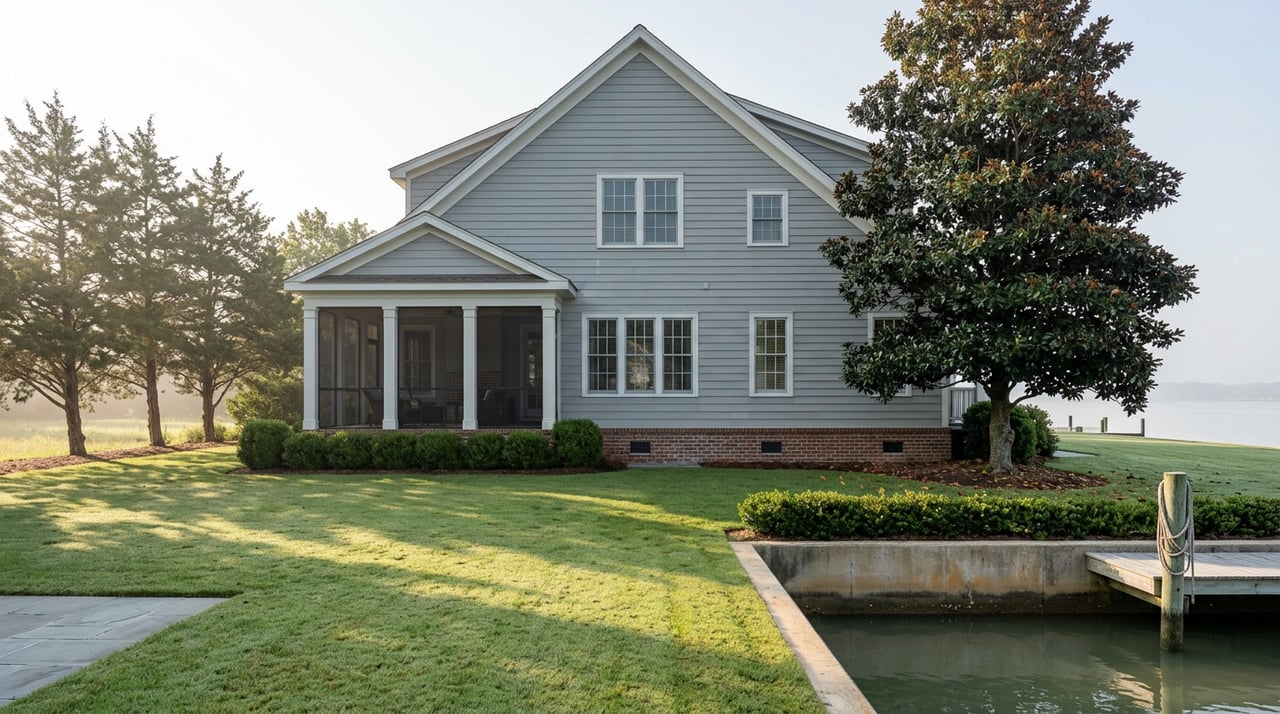
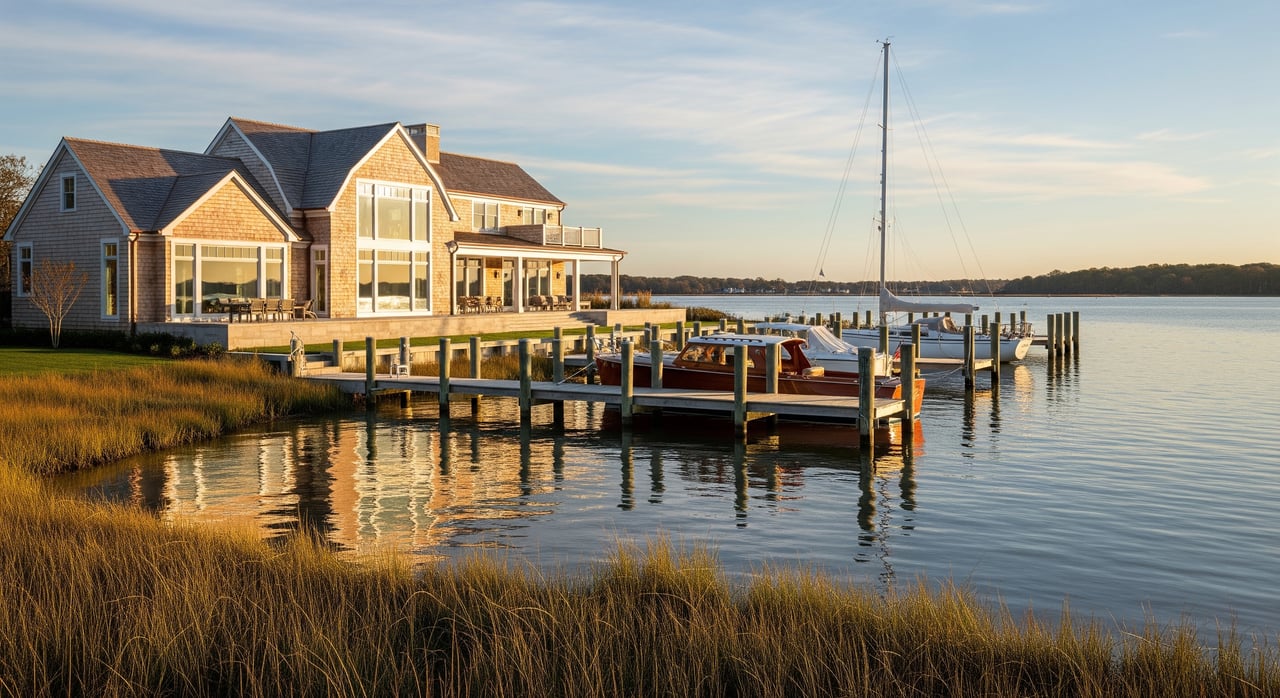
These homes abut the water and often include a private pier, bulkhead, or living shoreline. They offer the clearest path to daily boating. Pier condition, water depth, and access to deeper channels strongly influence value and your boating options.
Water‑privileged or shared access
These properties are not directly on the river but include deeded or community access to a shoreline, dock, boat ramp, or beach. You enjoy the lifestyle benefits without owning the entire shoreline. Expect HOA or community rules for slips and access.
Near‑water with river views
Homes close to the river that capture views without access can be an attractive middle ground. Views, elevation, and lot orientation still affect price and long‑term enjoyment.
Riparian rights and access details
A waterfront address does not always equal unrestricted water use. Pier ownership, submerged land leases, and deed language vary by parcel. Build any offer around clarity on who owns what and what the property is legally allowed to do.
What drives value on the South River
Several factors consistently add or protect value:
- Direct access with a functional private pier or wet slip
- Water depth off the dock and easy navigation to deeper channels
- Protection from wind and chop, plus a cove or channel setting that fits your boating style
- Unobstructed views, lot orientation, and southern exposure
- Condition of bulkhead or presence of a well‑designed living shoreline
- Elevation and resilience features that reduce flood risk
- Public sewer availability or a well‑maintained septic system
- Neighborhood amenities like a community dock, marina access, or HOA services
- Proximity to Annapolis and commute routes
- Regulatory context that preserves scenery but may limit expansions near the shoreline
Permits and rules you should know
Waterfront ownership involves additional layers of oversight meant to protect habitat and water quality.
- Piers, bulkheads, dredging, and similar structures typically require authorization from the Maryland Department of Natural Resources and, depending on scope, U.S. Army Corps of Engineers permitting. Keep records of permits and any correspondence for future reference.
- Maryland’s Critical Area laws regulate development within 1,000 feet of tidal waters. Start with the Maryland Critical Area Commission and review the local implementation through the Anne Arundel County Critical Area program. Rules influence impervious surfaces, vegetation removal, and shoreline stabilization.
- If a property already has a pier or bulkhead, confirm whether it was permitted and whether any grandfathered status applies. Unpermitted structures can be costly to remediate.
Shorelines, flood risk, and insurance
Your shoreline choice affects both experience and upkeep. Bulkheads are common but can be expensive to maintain and may contribute to erosion in some settings. Many owners now explore living shorelines that use native plants, sand, and low sills to protect banks while improving habitat. Learn more from Chesapeake Bay Foundation living shoreline resources.
Flood risk and insurance are central in a tidal environment. Lenders rely on FEMA flood maps, and premium calculations have shifted under FEMA’s Risk Rating 2.0 overview. For a specific address, check the FEMA Map Service Center and obtain accurate elevation information to quote insurance. To understand long‑term context, the NOAA Sea Level Rise Viewer can help you explore potential future scenarios.
A higher first‑floor elevation, flood vents, and sound drainage design can improve resilience and may reduce insurance costs. Visiting a property at high tide and after a wind event gives you a realistic feel for access and water behavior.
Utilities and septic basics
Many Edgewater waterfront homes connect to public sewer, but some pockets remain on septic. This is a major due diligence item. If on septic, review age, maintenance history, and setback requirements. If public sewer is nearby, confirm capacity and the process for connection with the county. Managing runoff and maintaining vegetated buffers are both good stewardship and often part of local code.
Buyer due diligence checklist
Use this list to stay organized before and during your contract period:
- Legal and documentation
- Confirm pier or dock ownership, any submerged land lease, and rights recorded in the deed.
- Request permits, leases, and correspondence with MD DNR, USACE, and Anne Arundel County related to shoreline structures.
- Review HOA covenants for rules on shared docks, slips, and community shoreline.
- Inspections and surveys
- Hire a qualified marine contractor to inspect bulkhead, pilings, decking, and hardware.
- Order a land survey that shows the mean high tide line, property boundaries, and any encroachments.
- Obtain an elevation certificate or survey‑level elevations for insurance quotes.
- Complete a septic inspection or verify public sewer service.
- Conduct a comprehensive home inspection with attention to drainage and any prior flood repairs.
- Insurance and financing
- Get flood insurance estimates early and confirm whether the lender requires NFIP or private flood coverage.
- Ask your lender about appraisal considerations for waterfront properties that may require specialty comparables.
- Neighborhood and lifestyle checks
- Visit at different times, including weekends and high tide, to gauge boat wakes, traffic, and activity.
- Ask neighbors about seasonal nuisance flooding and road access after storms.
- Check county planning for any future development that could change views or access via the Anne Arundel County government site.
Smart shoreline strategies
If you are deciding between bulkhead work and a living shoreline, compare lifecycle costs and site conditions. Living shorelines may qualify for support or guidance through state and nonprofit programs. The Maryland Department of Natural Resources offers information on design and eligibility. Routine maintenance is part of life on the water: think seasonal service, occasional pile or decking replacement, corrosion control, and, in some coves, periodic dredging with the proper permits.
How we help you buy with confidence
Waterfront purchases come with more variables, but the right coaching turns complexity into clarity. Our approach centers on lifestyle fit, realistic maintenance planning, and disciplined due diligence. We help you interpret flood maps, line up marine and septic inspections, and review permits so you can move forward with confidence.
Whether you are aiming for a private pier on a protected cove or a water‑privileged home with community amenities, we match your goals with the right micro‑location and property type. If you want discretion or early looks at potential opportunities, our boutique practice also supports curated exposure and off‑market conversations when appropriate.
Ready to explore South River living in Edgewater with a trusted local guide? Connect with Greg Beckman to start a focused, low‑pressure conversation about your goals.
FAQs
Do South River homes in Edgewater require permits for new or replacement piers?
- Yes. Most piers and similar structures over tidal waters require authorization from the Maryland Department of Natural Resources and may also require U.S. Army Corps of Engineers permits.
How does flood insurance work for Edgewater waterfront properties?
- Flood insurance requirements depend on FEMA flood zones and lender rules, with premiums calculated under Risk Rating 2.0 using property‑specific factors like elevation.
What is the difference between direct waterfront and water‑privileged homes in Edgewater?
- Direct waterfront abuts the shoreline and may include a private pier, while water‑privileged properties have shared or community shoreline access without private frontage.
Are living shorelines an option along the South River in Anne Arundel County?
- Often yes, and many sites are encouraged to use living shoreline designs, but eligibility and design must meet state and county requirements.
What due diligence should I prioritize when buying a South River home?
- Verify pier ownership and permits, inspect bulkheads and docks with a marine contractor, check septic or sewer status, obtain an elevation certificate, and review Critical Area rules.