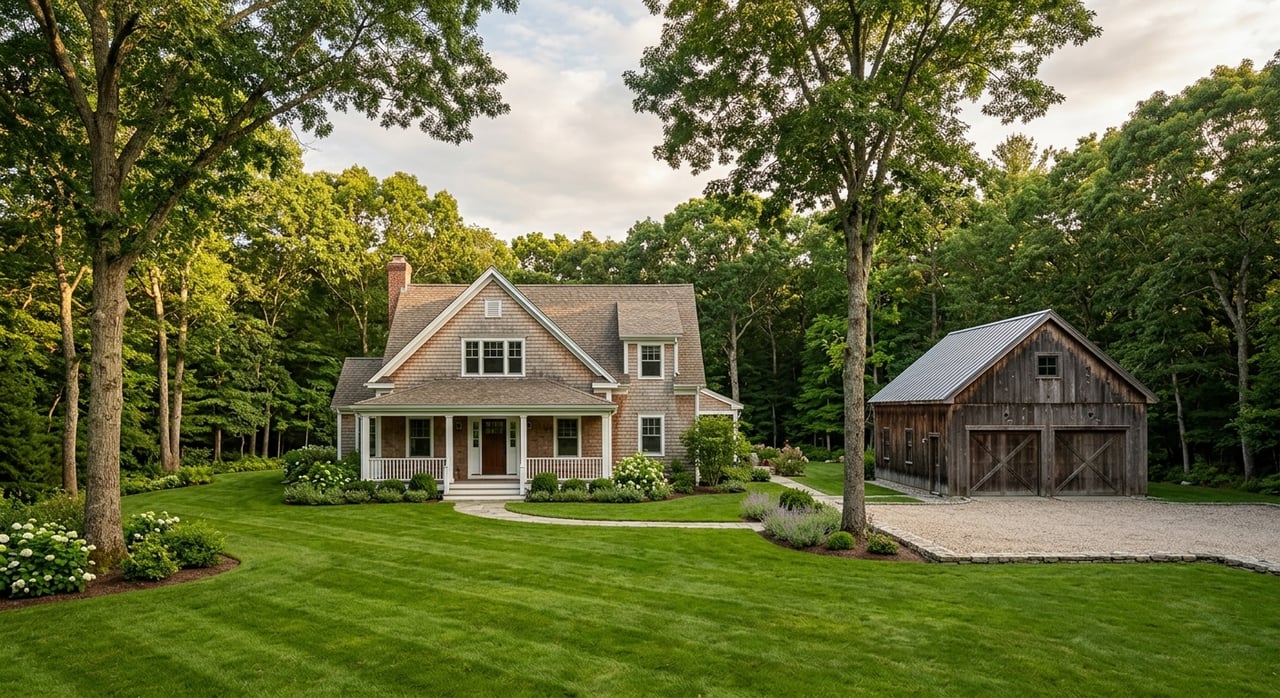
If your current home feels a little tight, you are not alone. Many move-up buyers start looking at Dunkirk because they want more than extra square footage. They want land, privacy, and room to shape a property around the way they actually live. If that sounds like you, this guide will help you understand what acreage living in Dunkirk can really look like, what tradeoffs to expect, and what to check before you buy. Let’s dive in.
Why Dunkirk Appeals to Move-Up Buyers
Dunkirk sits within one of Calvert County’s designated town centers, which the county identifies as primary growth areas intended to mix residential, commercial, office, public, and quasi-public uses. The county also points to roads, water, wastewater, public transportation, and high-quality internet as priorities in these town centers. For you as a buyer, that means Dunkirk can offer a blend of everyday convenience and access to larger-lot living nearby.
That mix matters if you are moving up from a smaller suburban lot or a more compact neighborhood setting. In and around Dunkirk, you may find properties that give you more breathing room without losing touch with services and daily needs. That balance is a big part of the local appeal.
Calvert County’s landscape also helps explain why acreage living is part of the conversation here. The county describes itself as a peninsula with wooded bay-side terrain and rolling fields toward the Patuxent River. In practical terms, that means your options can include everything from near-town parcels to more rural tracts with a stronger sense of separation and space.
What Acreage Living Can Mean Here
Acreage living around Dunkirk is not one fixed property type. Under the county’s current zoning ordinance, many single-family detached lots outside town centers are at least one acre. Some Farm and Forest or Rural Community lots outside cluster exceptions are three acres, while certain RD lots inside the town-center radius can be reduced to 10,000 square feet if health requirements are met.
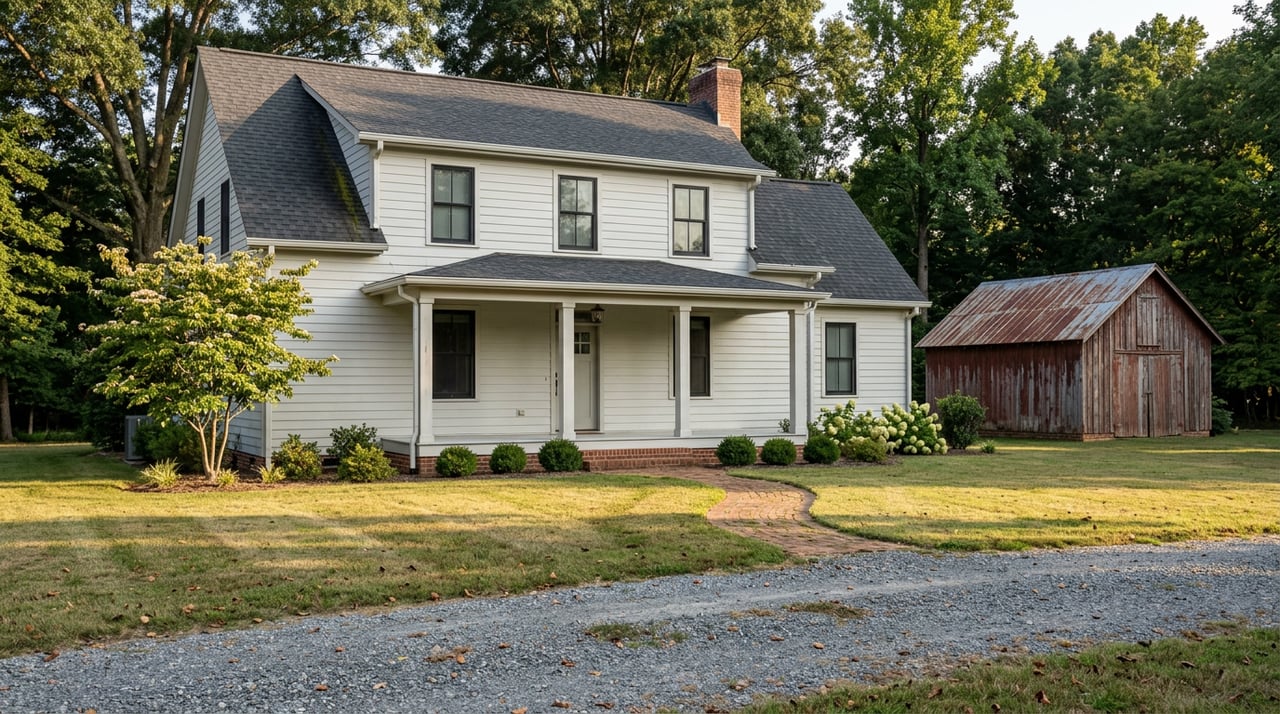
That range is important for move-up buyers. You may be picturing a classic large-lot home with a detached garage and backyard pool, or you may be looking for enough land for a workshop, storage building, or hobby use. Around Dunkirk, both can exist, but the details depend on zoning, location, and utility availability.
This is why “acreage” should never be treated as just a number on a listing. Two properties with similar lot sizes can feel very different depending on setbacks, buffers, topography, road frontage, and whether they are closer to the town-center setting or farther into a rural pattern. A smart search starts with how you want the land to function.
How Move-Up Buyers Use Extra Land
For many buyers, the real value of a larger lot is flexibility. Calvert County defines accessory structures broadly, including detached garages, storage sheds, gazebos, picnic pavilions, boathouses, pole barns, and pool houses. That means a bigger property may support much more than a larger lawn.
If you need room for outdoor entertaining, equipment storage, a workshop, or hobby space, acreage can create options your current home may not have. It can also give you more separation between the house and future improvements, which often changes how the property lives day to day. The land becomes part of the lifestyle, not just part of the address.
That said, usable land is not the same as unrestricted land. The right property for you is the one that supports your goals under current county rules, not just the one that looks spacious in photos. Before you fall in love with a parcel, it helps to understand what improvements may require permits, review, or added site work.
Pools, Garages, and Barns Matter
If your move-up wish list includes a pool, detached garage, or barn-style outbuilding, you will want to look closely at county requirements. In Calvert County, any structure intended for swimming, bathing, or wading with more than 24 inches of water is treated as a pool. That includes in-ground, above-ground, on-ground, and fixed-in-place wading pools.
Residential pools can require building, electrical, plumbing-gas, and grading permits, along with a code-compliant barrier. If the property uses well and septic, Environmental Health review may also apply. So if a listing gives you room for a future pool, that is a good starting point, but not the final answer.
Accessory structures have their own rules as well. County guidance says accessory structures that are 200 square feet or larger generally need a building permit, while even smaller structures still must meet zoning setbacks. In other words, more land gives you opportunity, but placement and permitting still shape what is realistic.
Setbacks Can Shape Your Plans
On bigger lots, setbacks often decide whether a property feels easy to improve or unexpectedly limited. Under current county guidance, detached accessory structures under 500 square feet and one-story detached garages generally have 5-foot side and rear setbacks. Structures 500 square feet or larger, along with larger garages, must meet the same setbacks as the primary structure.
Pools and associated decks or patios also have 5-foot side and rear setbacks. Chicken and poultry coops, as well as livestock enclosures, require 25-foot side and rear setbacks. These rules may sound technical, but they affect very practical decisions like where you can place a garage, how much backyard remains after a pool, or whether a future barn layout works with the lot.
This is one reason move-up buyers benefit from thinking beyond the house itself. A property may check the box for acreage, but the true question is whether the building envelope and setback pattern support the way you want to use that land over time.
Wells, Septic, and Land Due Diligence
If you are buying a property that is not served by public utilities, due diligence becomes especially important. The Calvert County Health Department permits, tests, and certifies private water supplies, issues well permits, and handles septic-system review, new septic applications, and percolation-test guidance. Percolation testing is used to determine soil suitability for a subsurface septic system.
For you, that means larger rural parcels may come with extra questions that do not always show up in more compact settings. You may need to understand the status of the existing well and septic system, what approvals already exist, and whether future improvements could trigger added review. That is especially true if you are considering a property with plans for expansion or significant outdoor improvements.
Acreage buyers should also be aware that site work can bring environmental review into play. County guidance says clearing more than 40,000 square feet can require a Forest Conservation Worksheet, Forest Stand Delineation, and Forest Conservation Plan. Clearing greater than one acre can also require a Maryland Department of the Environment Notice of Intent.
The county also flags Habitat Protection Areas and Natural Resource Protection Areas where streams, wetlands, steep slopes, or sensitive habitat are present. A parcel can be beautiful and still require a careful review before you make plans for major clearing or new structures. That is why early due diligence is often one of the smartest parts of the buying process.
Hobby Use and Animal Rules
Some move-up buyers want room for simple hobby use, not full agricultural operations. If that is part of your plan, Calvert County’s hobby-farmer guidance is worth understanding up front. On non-farm property, livestock kept as pets or for personal use require a lot of at least two acres.
Poultry can be kept on one acre or larger. Livestock enclosures on non-farm property need at least 25 feet of side and rear setback. If breeding or sale for profit is involved, the county says the parcel must be at least three acres and have an agricultural use assessment.
These distinctions matter because “room for animals” can mean different things to different buyers. If your vision includes a few chickens, that is one category. If you are thinking about goats or other livestock for personal use, or a more intensive setup, the acreage threshold and property classification become more important.
Privacy Versus Convenience in Dunkirk
One of the biggest decisions move-up buyers face is not just how much land they want, but what kind of setting they want around that land. Calvert County’s planning framework makes that tradeoff pretty clear. Town centers like Dunkirk are intended to concentrate growth and provide convenient access to services.
Outside town centers, the county’s design standards say single-family detached communities should fit the rural landscape, preserve crop and timber capacity, protect wildlife habitat, maintain clean water and air, and keep site disturbance to a minimum. The same standards call for front-roadway buffers and say building sites should minimize visibility from public roads, with stronger buffering along Route 4 and Route 2/4.
For you, that means privacy in this market is often shaped by design standards, setbacks, and buffering, not just lot size alone. A property may feel tucked away because of road frontage, vegetation, and siting, while another with similar acreage may feel much more exposed. The best choice depends on how you weigh convenience against separation and privacy.
Questions to Ask Before You Buy
When you tour acreage properties around Dunkirk, try to look beyond the first impression. A larger lot can be exciting, but the details will determine whether it supports your long-term plans. A few focused questions can save you time and help you compare properties more clearly.
Ask questions like these:
- Is the property served by public utilities, or does it rely on well and septic?
- What zoning applies to the parcel, and how does that affect lot use?
- Are there existing permits or approvals for structures, pools, or additions?
- What setbacks apply to detached garages, barns, pools, or animal enclosures?
- Are there environmental constraints tied to clearing, wetlands, steep slopes, or habitat areas?
- If you need a new entrance or driveway connection, will additional approval be required?
- Is the property in an Agricultural Preservation District that could affect future permits?
If a property needs a new road entrance, Calvert County says a county-road access bond may be required, and a state-road entrance needs a State Highway Administration permit. In town centers, including Dunkirk, certain projects also require architectural review as part of the permit and development-review process. Those details may not change your interest in a property, but they can change your timeline and budget.
How to Buy Smarter in This Market
The best move-up purchase is not always the biggest lot or the house with the longest feature list. It is the property that fits how you want to live now and still gives you room to grow into the next phase. In Dunkirk, that often means balancing convenience, privacy, and future usability.
A coaching-style buying process matters here because acreage purchases come with more moving parts than a typical suburban home search. You are not just evaluating bedrooms and finishes. You are evaluating land, utility setup, permitting realities, and the practical path to future improvements.
That is where local guidance becomes valuable. When you understand how Calvert County’s rules shape real-world use, you can make decisions with more confidence and fewer surprises. That is especially helpful if you are moving up for lifestyle reasons and want your next home to feel like a meaningful step forward, not just a larger mortgage.
If you are exploring acreage living in Dunkirk and want a practical, local perspective on which properties truly match your goals, Greg Beckman can help you sort through the options with clear guidance and a relationship-first approach.
FAQs
What does acreage living in Dunkirk usually mean for buyers?
- In and around Dunkirk, acreage living can range from relatively compact near-town parcels to larger rural tracts, depending on zoning, utility availability, and location.
Can you add a pool on an acreage property in Dunkirk?
- Usually yes, but Calvert County may require building, electrical, plumbing-gas, and grading permits, along with a compliant barrier and possible Environmental Health review for well and septic properties.
Can you build a detached garage or barn in Dunkirk?
- Often yes, but accessory structures may require permits and must meet county setback rules, which vary based on the size and type of structure.
Can you keep chickens or livestock on a Dunkirk-area property?
- Poultry can be kept on one acre or larger, while livestock for personal use on non-farm property requires at least two acres, and breeding or sale for profit requires at least three acres plus an agricultural use assessment.
What should you check about wells and septic in Dunkirk?
- If a property is not on public utilities, you should review well and septic status carefully because the Calvert County Health Department handles permits, testing, certifications, and percolation-test guidance.
How do privacy and convenience compare in Dunkirk?
- Dunkirk offers a mix of town-center convenience and nearby rural-style parcels, so privacy often depends on buffering, setbacks, road frontage, and site placement rather than lot size alone.