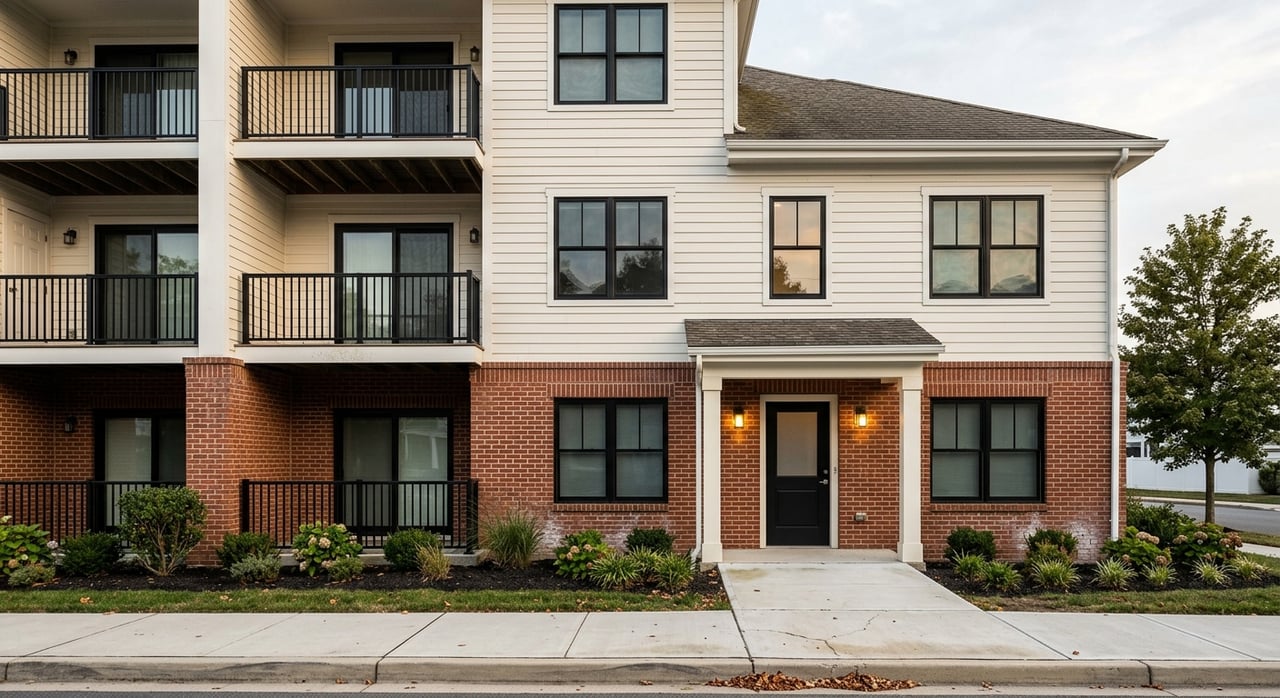
If you are thinking about buying in Chesapeake Beach, one question matters more than many buyers expect: What kind of home actually fits the way you want to live here? In a town shaped by bay access, outdoor amenities, and a mix of older and newer neighborhoods, the right choice is not always the biggest house or the lowest price. It is the home style that matches your routine, your maintenance comfort level, and how often you plan to use the property. Let’s dive in.
Why home style matters in Chesapeake Beach
Chesapeake Beach is not a one-note housing market. The town includes cottage-style neighborhoods, family-oriented subdivisions, and separate waterfront and conservation areas that influence how homes are used and where future growth can happen.
That local mix matters because your day-to-day experience can look very different depending on whether you buy a detached cottage, a townhome, a condo, or a newer single-family home. The setting, upkeep, and ownership responsibilities can all shape how easy the home feels once you move in.
The local housing stock also shows that buyers here have real choices. According to Maryland Planning’s 2020 Census profile, Chesapeake Beach had 2,542 total housing units, with 91.9% occupied and 77.2% owner-occupied. The same profile shows about 61.8% of homes are 1-unit detached and 28.9% are 1-unit attached, so both detached and attached home styles play an important role in this market.
Cottage homes with Chesapeake Beach character
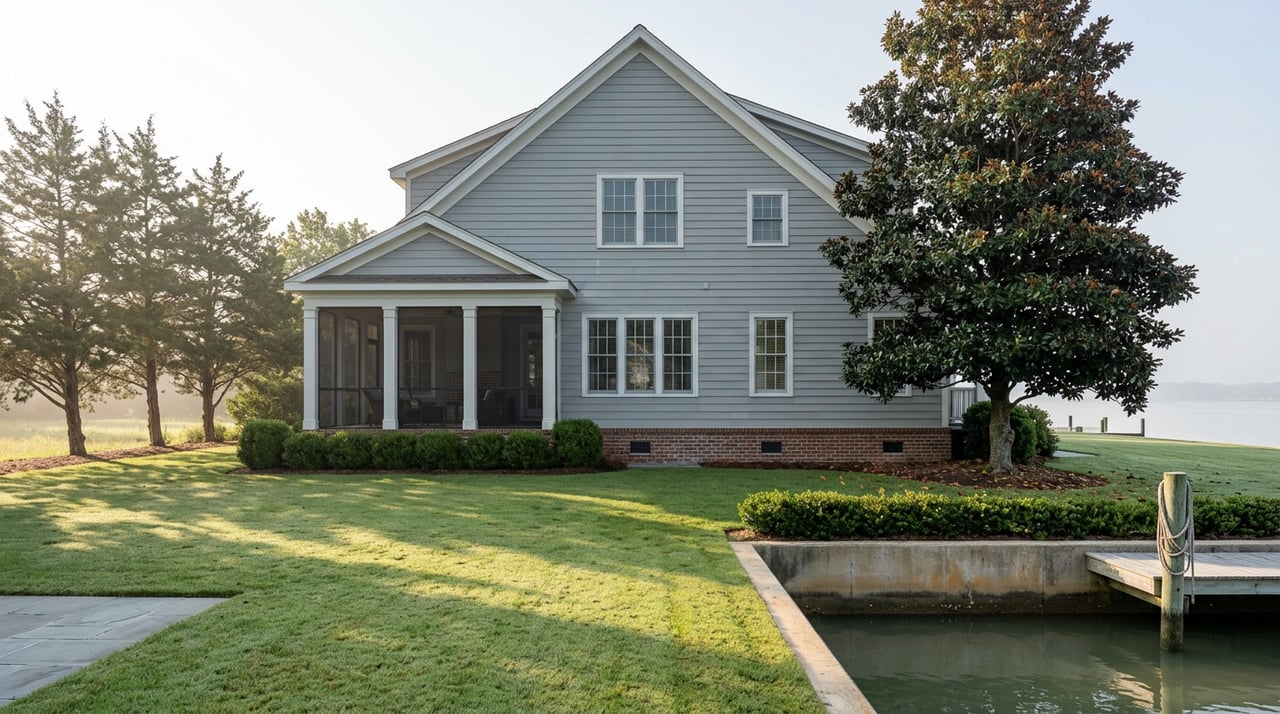
For many buyers, cottage-style homes capture the charm that draws people to Chesapeake Beach in the first place. These homes often appeal to people who want a more traditional detached-home feel, a smaller footprint, or a property with renovation potential.
A cottage can also be a strong fit if you want easier access to the bay-oriented parts of town and enjoy the idea of a home with personality rather than a more uniform layout. In a coastal town with a resort-town history, that character can be part of the lifestyle you are buying into.
What to expect from cottage ownership
The tradeoff is maintenance. With a detached cottage, you are generally responsible for exterior repairs, roof replacement, and ongoing upkeep.
That can work well if you are comfortable planning ahead for repairs and seasonal maintenance. But if you want a lower-effort property, a detached cottage may feel more hands-on than you expected.
What waterfront and Critical Area rules can mean
If a cottage is near tidal water, you will want to look closely at site constraints. Maryland’s Critical Area program applies to land within 1,000 feet of tidal waters and tidal wetlands, and there is a 100-foot protective buffer that can limit disturbance and lot coverage.
That does not mean these homes are off-limits. It means buyers should understand how location can affect future changes, outdoor projects, and long-term use before making an offer.
Condos for simpler coastal living
If your goal is to enjoy Chesapeake Beach with less yard work and a more lock-and-leave setup, a condo may be worth a closer look. Condos are part of the real local inventory here, not just a theoretical option, and they can be especially attractive for weekend use or buyers who do not want to manage a lot of exterior work.
This style often appeals to buyers who want more predictable maintenance responsibilities. That can be helpful if you travel often, split time between homes, or simply want fewer moving parts in your ownership experience.
What condo ownership usually includes
Under Maryland law, the council of unit owners is generally responsible for common elements, while each unit owner is responsible for the unit itself. In practical terms, that often means shared structures and certain exterior components may be handled at the association level, while your interior space remains your responsibility.
Condo dues are also an important part of the budget. These dues are usually paid separately from the mortgage, so it is smart to review the total monthly cost, not just the loan payment.
Questions to ask before buying a condo
Before buying a condo in Chesapeake Beach, make sure you understand:
- What the monthly dues cover
- Which exterior items are association-managed
- What rules apply to the unit and common areas
- Whether the setup fits your full-time or part-time use plans
For many buyers, condos offer a practical path into the Chesapeake Beach lifestyle. The key is making sure the lower-maintenance appeal matches the actual association structure and costs.
Townhomes as the middle-ground option
Townhomes often sit in the sweet spot between detached houses and condos. You may get more space and privacy than a condo, while still avoiding some of the upkeep that comes with owning a fully detached home.
That balance can make townhomes attractive for both full-time residents and buyers looking for a second home with fewer responsibilities. In a market like Chesapeake Beach, that flexibility matters.
Why townhomes work for many buyers
A townhome can be a smart fit if you want:
- More room than a typical condo
- Less exterior maintenance than many detached homes
- A community setup with shared services
- A practical option for everyday living or occasional use
Still, not every townhome community works the same way. Some associations cover exterior care or common spaces, while others are more limited.
Confirm what the HOA actually covers
This is where buyers need to slow down and read the details. If a townhome is in a planned subdivision or organized community, HOA dues may apply, and you should confirm exactly what those dues cover before assuming the property will be low-maintenance.
That one step can help you avoid surprises after closing. A townhome may be the perfect compromise, but only if the ownership structure fits your expectations.
Newer single-family homes for space and flexibility
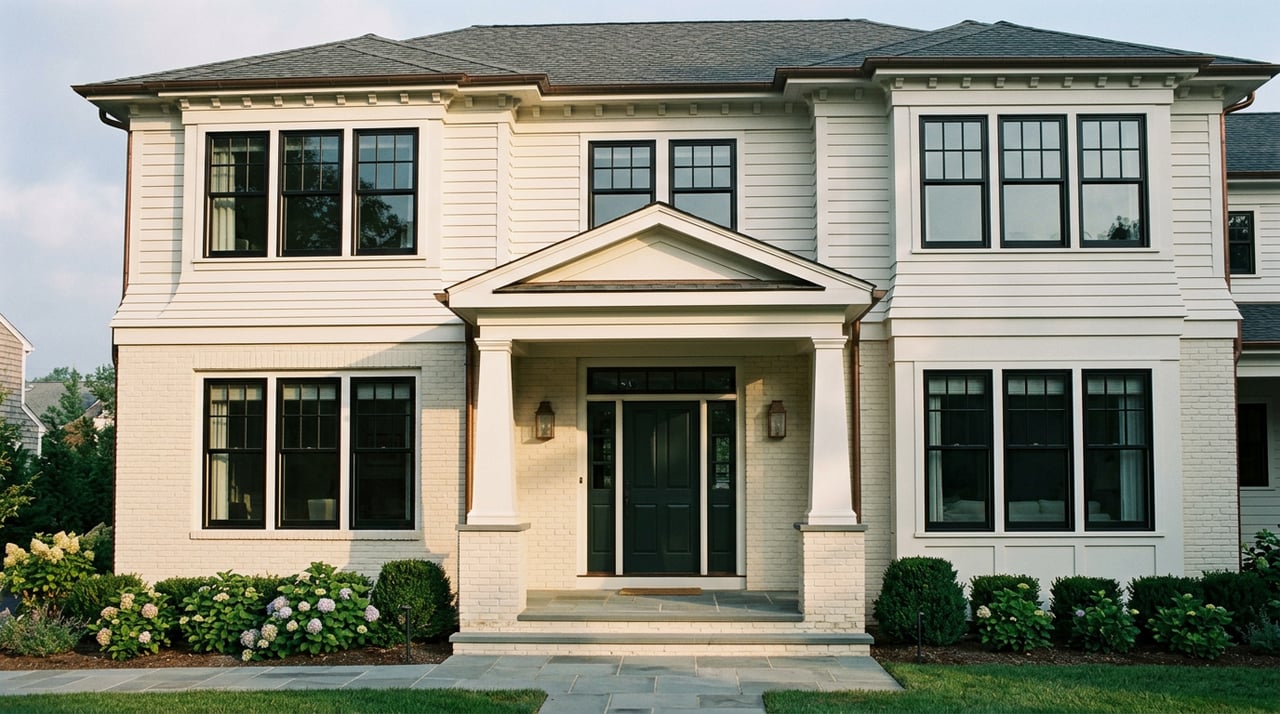
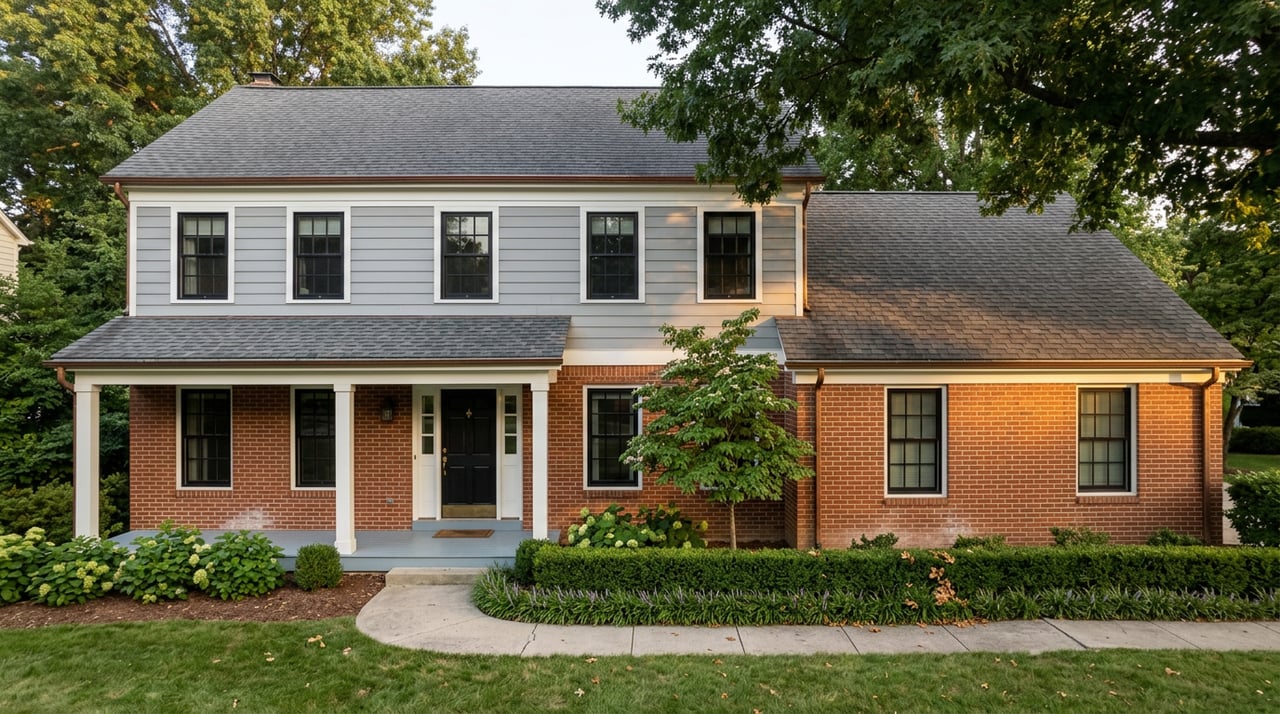
If you want more privacy, parking, storage, and yard space, a newer single-family home may be the best fit. These homes usually offer the most flexibility for daily living, especially if you work from home, need more room to spread out, or plan to stay in the area for several years.
In Chesapeake Beach, newer housing may not always mean a major new subdivision. The town’s comprehensive plan points to limited new residential growth, with much of the future housing supply expected to come from vacant lots in existing neighborhoods or subdivision build-out rather than large-scale greenfield expansion.
Why newer homes appeal to full-time residents
For full-time living, newer single-family homes often check a lot of boxes. They can offer a more conventional layout, better storage, and a setup that supports everyday routines more easily than a smaller cottage or condo.
That said, the owner usually carries the full maintenance responsibility. You gain flexibility and control, but you also take on repairs, upkeep, and long-term property planning.
Match the home to how you will use it
One of the smartest ways to narrow your search is to focus on use case first. In Chesapeake Beach, lifestyle fit can matter just as much as square footage.
The town’s public boat ramps, waterfront access, Railway Trail, Bayfront Park, and other outdoor amenities shape how many owners spend their time. That means the best home for you is often the one that supports how you actually want to live near the bay.
Best fit for full-time living
If you plan to live in Chesapeake Beach year-round, newer single-family homes and larger townhomes often make the most sense. They usually offer a better balance of space, storage, and everyday practicality.
That can be especially helpful if you want room for hobbies, guests, remote work, or a more settled routine. A full-time home often needs to do more than look good on a weekend.
Best fit for weekend use
If you are looking for a second home or an occasional-use property, condos and lower-maintenance townhomes may be a better match. Chesapeake Beach already has a small seasonal or occasional-use housing segment, and these property types often line up well with a lock-and-leave approach.
For many second-home buyers, that lower maintenance burden can be just as valuable as the location itself. The less time you spend managing the property, the more time you can spend enjoying it.
Key factors to compare before you buy
Before choosing a home style in Chesapeake Beach, compare more than price and bedroom count. A thoughtful decision usually comes down to a few practical questions.
Your decision checklist
Ask yourself:
- How much maintenance do you really want to handle?
- Will you live in the home full-time or use it occasionally?
- Are HOA or condo dues worth the tradeoff for shared services?
- Is the property near tidal water or inside the Critical Area?
- Do you want flexibility to renovate or expand later?
- Would you rather have more privacy, or less upkeep?
These questions can quickly clarify which home styles deserve your attention. They also help you search with more confidence in a market where location and lifestyle are closely connected.
A smart way to shop Chesapeake Beach
Chesapeake Beach offers more variety than many buyers expect, from cottages with coastal character to condos built for simpler ownership. Because future growth is expected to stay limited and much of it may come through infill in established neighborhoods, understanding the existing mix of homes is especially important.
If you start with your lifestyle, maintenance comfort, and long-term plans, the right property type becomes easier to spot. And in a bay-oriented town like this, that clarity can save you time and help you make a better move.
Whether you are looking for a full-time home, a weekend place, or a lower-maintenance way to enjoy the Chesapeake lifestyle, having local guidance makes a difference. If you want help comparing home styles in Chesapeake Beach and finding the right fit for your goals, connect with Greg Beckman.
FAQs
What home styles are common in Chesapeake Beach, MD?
- Chesapeake Beach includes a mix of detached homes, cottage-style properties, townhomes, and condos, with Census data showing both detached and attached housing play a meaningful role in the local market.
Are condos in Chesapeake Beach a good option for part-time living?
- Condos can be a strong fit for part-time use because they often offer a more lock-and-leave setup with less exterior maintenance than a detached home.
What should buyers know about townhomes in Chesapeake Beach?
- Townhomes can offer a middle-ground choice with more space than a condo and potentially less upkeep than a detached home, but you should confirm what any HOA actually covers.
Are cottage homes in Chesapeake Beach high maintenance?
- Cottage-style detached homes can require more hands-on ownership because you are typically responsible for repairs, roof work, and ongoing exterior maintenance.
Do waterfront rules affect homes in Chesapeake Beach?
- Yes, properties near tidal water may fall within Maryland’s Critical Area program, which can affect disturbance limits and lot coverage near tidal waters and wetlands.
Is new construction common in Chesapeake Beach, MD?
- The town’s planning documents suggest future housing growth is expected to be limited, with more infill and build-out in existing neighborhoods rather than large new expansion areas.