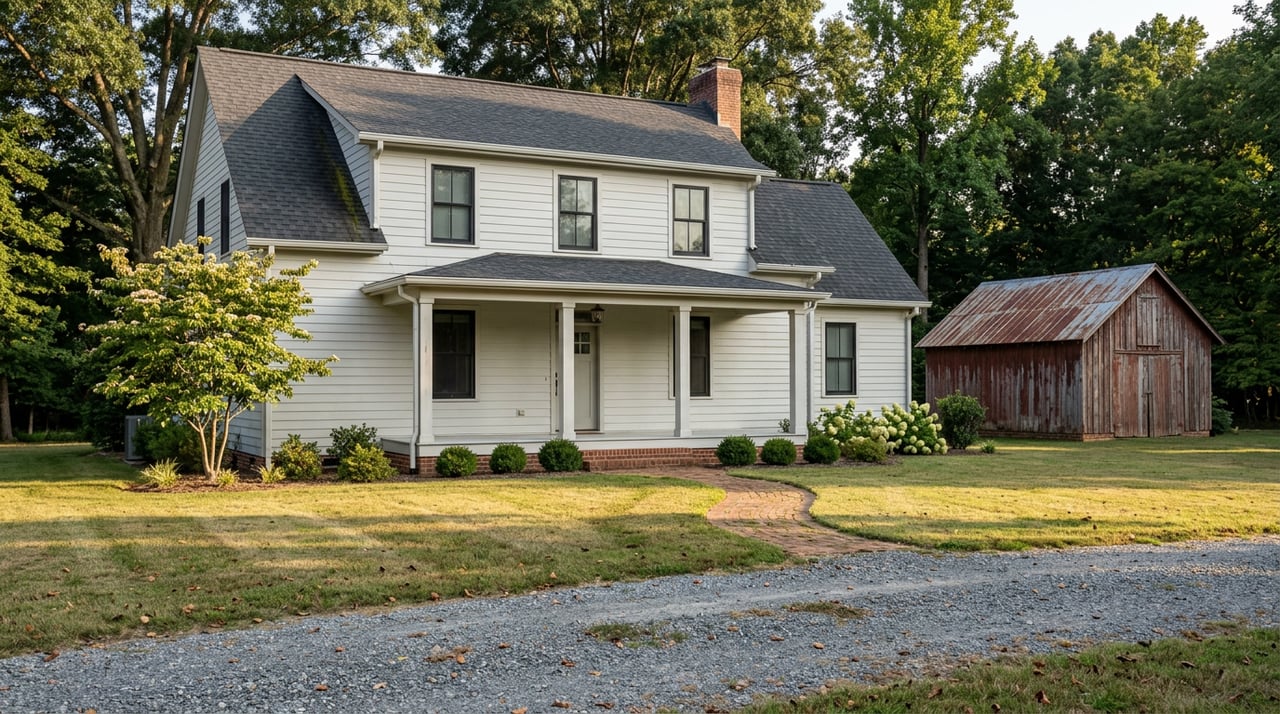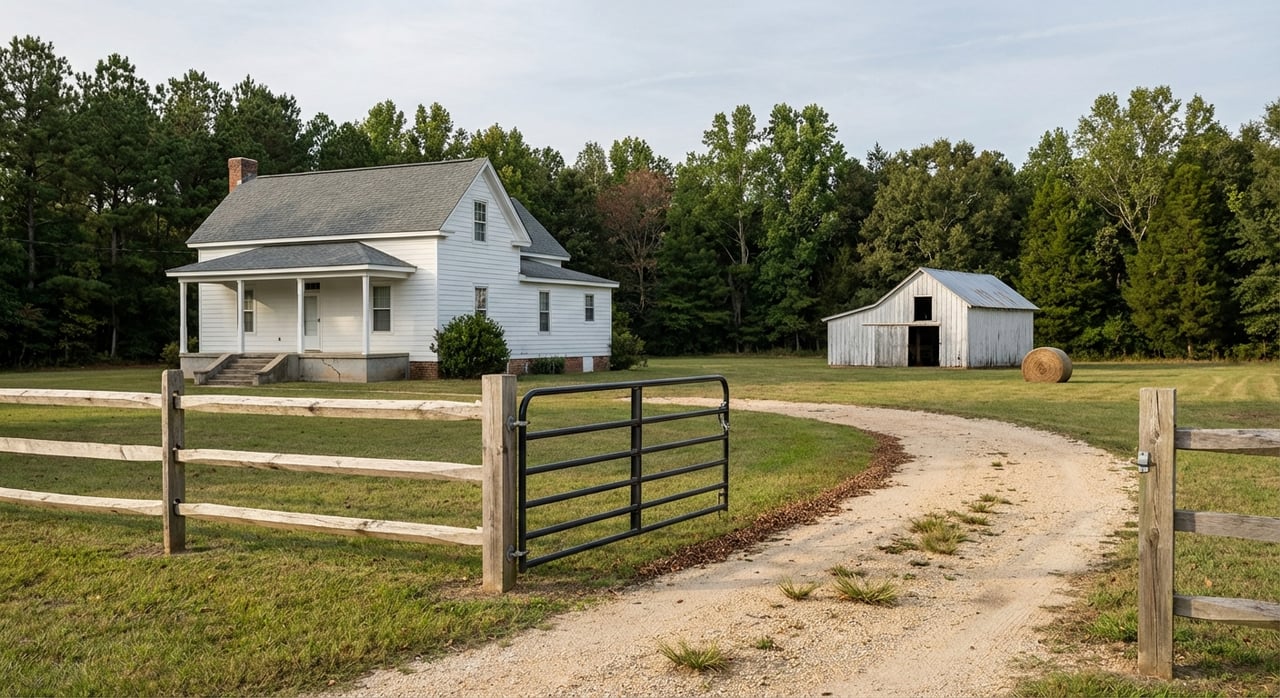
Thinking about buying land or a small farmette in Mechanicsville? The dream is real here: open space, room for gardens and animals, and a slower pace near the Chesapeake. The path to purchase is different from a typical subdivision lot though, and a few early checks can save you time and money. In this guide, you’ll learn what to verify first, who to call in St. Mary’s County, and how to align a property with your goals. Let’s dive in.
Why Mechanicsville land is different
Mechanicsville sits in St. Mary’s County, which means the County’s Department of Land Use and Growth Management (LUGM) sets the rules for zoning, permits, floodplain, and the Chesapeake Bay Critical Area. Before you assume any use, confirm the parcel’s zoning and overlays with LUGM.
Most rural parcels here rely on private wells and onsite septic, not public water and sewer. The County focuses utility service in growth areas, so your buildability and upfront costs often hinge on soils, well depth, and septic design. The County’s interactive GIS maps are a great place to start your parcel research.
Zoning basics for farmettes
Zoning controls what you can do by right and what needs special approval. That includes keeping animals, building barns and accessory structures, operating a small farm stand, or hosting events. Ask LUGM for the parcel’s zoning designation and the permitted uses list for your specific plans.
Overlays can add more rules. Parcels near tidal waters may fall in the Chesapeake Bay Critical Area, which limits clearing, buffers shorelines, and sets impervious coverage caps. Use LUGM’s Critical Area resources to understand buffers and when mitigation is required. Start with the County’s Critical Area information page for guidance on buffers and site plan needs (LUGM Critical Area).
Buildability: wells and septic 101
In much of Mechanicsville, your ability to build a home depends on septic and well viability. The St. Mary’s County Health Department’s Environmental Health Division reviews septic systems, well certifications, and water and sewer adequacy during permitting. Early in your evaluation, request any existing septic as‑built records and well logs. If records are missing, plan for a site and soil evaluation and, if needed, a perc test or engineered design. You can start with the Health Department’s permitting and records page (Environmental Health).
Soils matter a lot. Depth to seasonal high water, clay layers, or shallow bedrock can limit conventional systems and increase costs. A licensed soil scientist, septic contractor, or the Health Department can help you understand what system type a parcel can support.
Environmental constraints to check
Parcels within 1,000 feet of tidal waters may be in Maryland’s Chesapeake Bay Critical Area. Expect buffers, clearing limits, and possible mitigation as part of your site plan. LUGM outlines when a Critical Area site plan is required and how buffers apply (Critical Area guidance).
Also confirm flood risk. If any portion of the property lies in a FEMA Special Flood Hazard Area, lenders may require flood insurance and your building plan could need elevation or floodplain review. You can look up official FEMA maps and download a FIRMette through the FEMA Flood Map Service Center.
Wetlands add another layer. Impacts to tidal or non‑tidal wetlands often require state or federal permits. Avoidance is usually the most cost‑effective path, so flag any mapped wetlands early and consult local officials before planning disturbance.
Access and driveways
Confirm legal, drivable access to the parcel. Determine if the land fronts a public road or if you need a recorded right‑of‑way across neighboring property. If the access point is on a state road such as MD 5, you may need a state driveway or entrance permit. Use the County’s GIS maps to identify road ownership and centerlines, then verify details with a title search and survey.
Match property to your goals
Hobby homestead
If you want a garden, a small orchard, and a few hobby animals, focus on soils, drainage, and a clear buildable area for house, septic, and outbuildings. Confirm that small‑scale animal keeping is allowed under your parcel’s zoning and any deed restrictions. Start with LUGM for permitted uses.
Equestrian potential
For horses, look for level pasture areas, good drainage, and room to meet setbacks. Budget for fencing, arena surfaces, and manure management. Ask LUGM whether stables or riding arenas require additional permits or setbacks.
Small farm stand or CSA
If you plan to sell produce or host seasonal events, verify that retail sales and agritourism are permitted or conditional in your zoning district. Expect review for parking, signage, and traffic, especially near MD 5. LUGM can explain whether a Board of Appeals action is needed and what to submit.
Conservation or future subdivision
Some properties are under agricultural preservation easements that permanently limit development. Maryland’s Agricultural Land Preservation Foundation (MALPF) programs often serve larger, high‑quality farmland and restrict subdivision. Check whether a parcel is preserved or eligible by reviewing current program information and recorded easements. Learn more about MALPF application cycles through this local news resource (MALPF program info).
Financing, taxes, and insurance
Financing raw or lightly improved land is different from buying a house. Lenders often require larger down payments and shorter terms for lot and raw‑land loans, especially if you are not building right away. For an overview of typical lender expectations and options, read this consumer‑friendly explainer on land loans (land financing basics). If you plan to farm for income or you are a beginning farmer, explore USDA‑FSA programs and university extension resources for financing and microloans (see the University of Maryland Extension’s page on traditional and ag‑focused funding sources).
Property taxes can vary based on use. Maryland’s State Department of Assessments and Taxation (SDAT) provides procedures for agricultural assessments and current‑use valuation. If you aim to operate a farm or enroll land in preservation, review SDAT guidance and talk with the County Assessor about eligibility and any rollback risks (SDAT procedures).
Standard homeowners insurance does not cover flood damage. If your parcel lies in a mapped FEMA flood zone, price National Flood Insurance Program coverage and understand how elevation and building placement affect your premium. Confirm your flood zone with the FEMA Flood Map Service Center.
Your step‑by‑step due‑diligence checklist
Use this sequence to evaluate any Mechanicsville parcel before you write an offer or waive contingencies.
- Confirm legal access. Check for public road frontage or a recorded right‑of‑way. Verify maintenance obligations for private roads through title and a survey. Use the County’s GIS maps as a starting reference.
- Verify zoning and uses. Ask LUGM for the zoning designation and whether your intended uses are permitted, conditional, or need Board of Appeals review.
- Check overlays. Identify any Chesapeake Bay Critical Area, floodplain, or wetlands constraints. Review buffers and any mitigation requirements through LUGM’s Critical Area resources and confirm flood zones with FEMA.
- Confirm water and sewer status. Ask if the parcel is in a planned service area. If not, plan for private well and onsite septic.
- Evaluate septic and well. Request septic as‑builts and well logs. If absent or outdated, schedule a site and soil evaluation with the Health Department (Environmental Health).
- Order a survey and title search. Map boundaries, easements, rights‑of‑way, and any deed restrictions to know your true buildable area.
- Assess soils and topography. Consult the St. Mary’s Soil Conservation District for soils, drainage, and pasture guidance, and consider a site visit for plans and cost‑share options (Soil Conservation District).
- Flag wetlands early. If wetlands are present, anticipate added reviews and permits and consider shifting your building envelope to avoid impacts.
- Review taxes and easements. Ask SDAT about any agricultural assessments and look for conservation or preservation easements that limit development (SDAT procedures).
- Map the permit path. Talk with LUGM about site plan needs, erosion and sediment control, stormwater, building permits, and realistic timelines.
- Pre‑check costs and lending. Price driveway installation, utility extensions, septic systems, and stormwater controls. Speak with lenders about land loans, construction loans, or USDA‑FSA options if farming is planned. The University of Maryland Extension outlines financing sources.
- Build your local team. Engage a land‑savvy agent, civil engineer or site planner, licensed septic contractor, surveyor, title company, and the Soil Conservation District.
Red flags that warrant a pause
- No guaranteed vehicle access through a public road or recorded right‑of‑way. Title and a current survey should confirm access.
- Parcel lies in a FEMA A or V flood zone where your desired building site would require elevation or special design. Price insurance and mitigation before moving forward.
- No usable septic records and poor soil conditions. If the parcel cannot support an onsite system without expensive engineering, your build plan may not be feasible.
- Recorded agricultural or conservation easement that permanently limits development and subdivision. Confirm how it affects your goals.
- Unclear road maintenance obligations on private roads or unrecorded easements. Require clarity in title before you release contingencies.
How we help you buy with confidence
Buying land or a farmette is equal parts vision and due diligence. You need a clear plan, the right local contacts, and a steady hand to keep the process moving. Our team pairs Southern Maryland market knowledge with a coaching mindset so you can evaluate parcels quickly, line up the right experts, and write strong, protected offers. If you are considering land in Mechanicsville or elsewhere in St. Mary’s County, reach out to Greg Beckman to start a focused search and a smart due‑diligence plan.
FAQs
What is a “farmette” in St. Mary’s County?
- A farmette typically refers to a small acreage property used for hobby farming, gardens, or limited livestock. Specific allowed uses depend on the parcel’s zoning and any deed restrictions.
How do I check zoning for a Mechanicsville parcel?
- Contact St. Mary’s County LUGM with the tax ID or address to confirm the zoning designation, permitted uses, and any overlays that affect the land.
What is a perc test and do I need one?
- A perc test or soil evaluation confirms whether the soils can handle a septic drainfield. If records are missing or you plan a new dwelling, expect an evaluation through the County Health Department.
Can I keep chickens, goats, or horses on my land?
- Possibly. Animal keeping depends on your zoning district and setback rules. Ask LUGM which uses are permitted by right, which are conditional, and what structures or setbacks are required.
What should I do if the property is in the Chesapeake Bay Critical Area?
- Map the buffers, plan to limit clearing, and expect mitigation or a site plan. Check with LUGM about what approvals are needed before you design the house and driveway.
Do I need flood insurance for Mechanicsville land?
- If any buildable area lies in a FEMA Special Flood Hazard Area, lenders may require flood insurance. Confirm the exact zone on FEMA maps and price coverage before you commit.
How long does permitting take in St. Mary’s County?
- Timelines vary by project scope, soils, and environmental overlays. Ask LUGM for the expected path and sequence so you can plan design work and contractor scheduling.